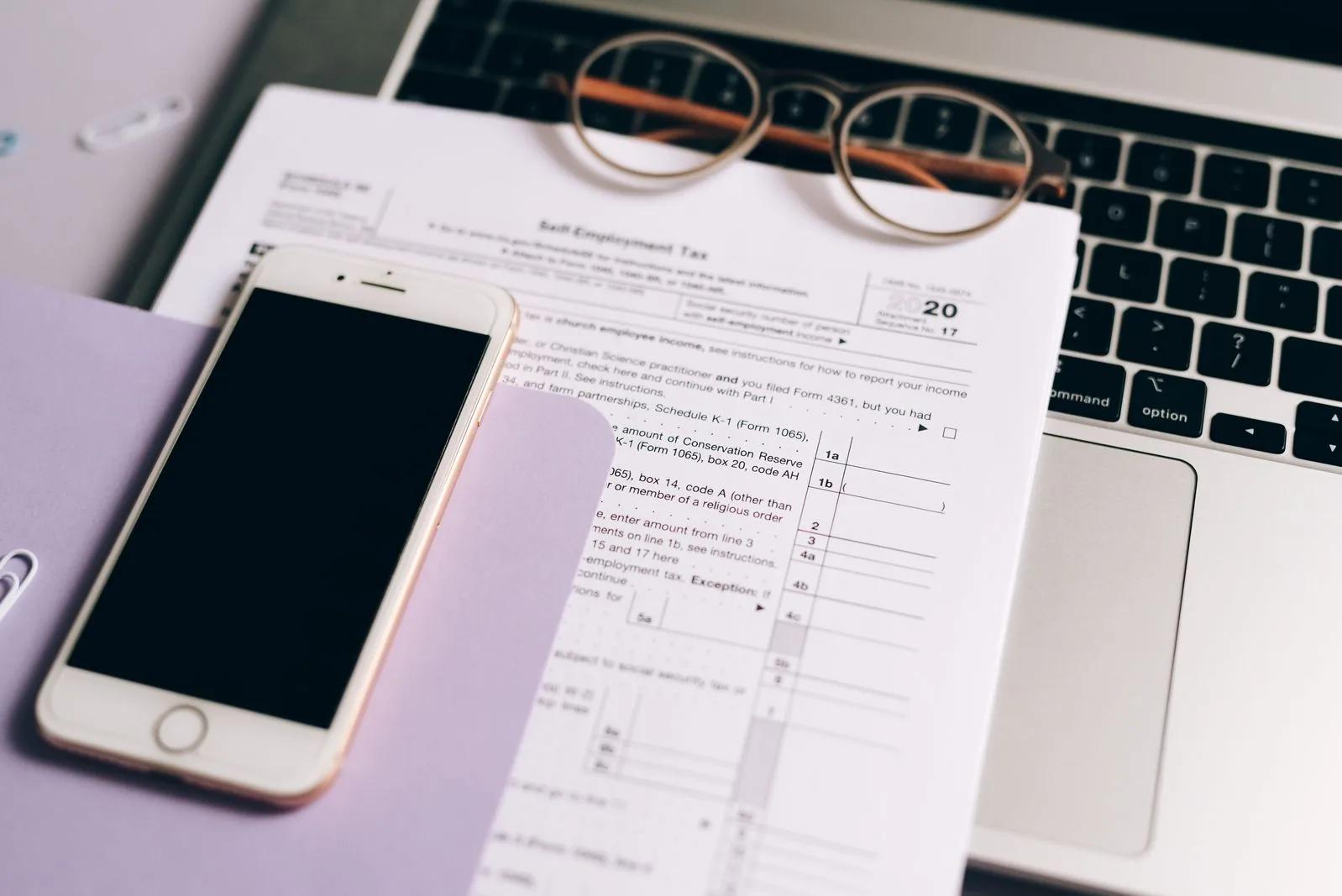
A partnership tax return SA800 must be filed once a year for the business, and every partner must also file their own personal Self Assessment (SA100) showing their share of the profit. The SA800 reports the partnership's total income and how it is split; it does not pay any tax itself. The nominated partner submits the SA800, then each partner pays Income Tax and National Insurance on their slice through their own return.
In short: one SA800 for the business, plus one SA100 per partner. Miss either and HMRC charges penalties separately.
What Is the SA800 and Who Has to File It?
The SA800 is the tax return for a partnership as a whole. It declares the partnership's trading or professional profits, any other income (such as rent or interest), and the partnership statement that allocates those profits between the partners.
You must file an SA800 if you run a general partnership, a limited partnership, or a limited liability partnership (LLP) that trades or holds investments. The partnership needs its own Unique Taxpayer Reference (UTR), separate from any partner's personal UTR.
The nominated partner is responsible for submitting the SA800. If the nominated partner fails to file, every partner can be penalised, so it pays to agree clearly who handles it.
SA800 vs SA100: How the Two Returns Fit Together

This is where most people get caught out: the partnership and the partners file different forms.
| Return | Who files it | What it reports | Pays tax? |
|---|---|---|---|
| SA800 | The nominated partner (for the partnership) | Total partnership income and the profit split | No |
| SA100 + SA104 | Each individual partner | That partner's share of profit, plus other personal income | Yes |
The SA800 sets out the numbers; the SA104 supplementary pages carry each partner's share onto their personal SA100. Tax is then charged at that partner's own rate, using their personal allowance of £12,570, with the higher rate starting at £50,270 and the additional rate at £125,140.
What Income Goes on the SA800?
The core SA800 covers trading and professional income. If the partnership has other sources, you add supplementary pages:
- SA801, UK property income (rent from let property held by the partnership)
- SA802, foreign income
- SA803, disposals of chargeable assets (capital gains)
- SA804, savings, investments and other income
Capital allowances are claimed at partnership level. The Annual Investment Allowance gives 100% relief on up to £1,000,000 of qualifying plant and machinery, so a partnership kitting out an office or workshop usually writes the full cost off in year one.
If the partnership supplies VATable goods or services and turnover passes the £90,000 VAT registration threshold, it must register for VAT separately. That is a different obligation from the SA800, and an easy one to overlook in a growing partnership.
SA800 Filing Deadlines for 2026/27
The deadlines mirror personal Self Assessment, based on the tax year ending 5 April:
| Submission method | Deadline |
|---|---|
| Paper SA800 | 31 October following the tax year end |
| Online SA800 | 31 January following the tax year end |
For the 2026/27 tax year (ending 5 April 2027), the online SA800 is due by 31 January 2028. Each partner's SA100 shares the same 31 January online deadline, and that is also when any tax the partners owe must be paid, our guide to how to pay your Self Assessment tax bill covers the payment methods. You can confirm the current forms and notes on the official HMRC SA800 partnership tax return page.
How to Register a New Partnership for Self Assessment
A new partnership must be registered with HMRC, and so must each partner individually. The nominated partner registers the partnership, which generates its UTR, and every partner registers separately for Self Assessment. The deadline to register is 5 October after the end of the first tax year in which the partnership traded. Our step-by-step guide on how to register a business partnership with HMRC covers the full process.
Leave registration too late and you risk a "failure to notify" penalty on top of any late-filing charges, so build it into your first few weeks of trading.
Penalties for a Late SA800
Penalties bite at the partnership level, then cascade to every partner:
- £100 immediately after the deadline is missed
- £10 per day after three months, up to £900
- Further fixed and tax-geared penalties after six and twelve months
Because the SA800 penalty is charged on each partner, a two-partner firm filing three months late can quickly run up hundreds of pounds across the partners. Filing on time, every time, is the cheapest tax decision a partnership ever makes.
A Worked Example of Splitting Partnership Profit
Aisha and Ben run a design partnership and split profits 60/40. The partnership makes £90,000 profit after expenses and capital allowances.
The SA800 reports the £90,000 and shows Aisha's share as £54,000 and Ben's as £36,000. Each then enters their share on their own SA100 via the SA104. Aisha pays tax across the basic and higher-rate bands; Ben stays mostly within the basic rate. Neither the £1,000 trading allowance nor the £500 dividend allowance applies here, because partnership profits are taxed as trading income on the partner, not as a fresh self-employment or as dividends.
Frequently Asked Questions
Does the partnership pay tax on the SA800?
No. The SA800 is purely an information return. It reports profit and allocates it between partners, but each partner pays Income Tax and Class 4 National Insurance on their own share through their personal SA100.
Who is the nominated partner and what do they do?
The nominated partner is the one the partners agree will handle the partnership's tax affairs. They register the partnership, complete and submit the SA800, and deal with HMRC on the partnership's behalf. If they miss the deadline, all partners face penalties, so the role should be agreed in writing.
Do I still file a personal tax return if I am in a partnership?
Yes. Being in a partnership does not replace your personal Self Assessment. You file your own SA100 with the SA104 partnership pages showing your share of the profit, plus any other income such as employment, rent or savings. See our FAQ for more on combining income sources.
What happens if the partnership stops trading mid-year?
You still file a final SA800 covering the period up to the date the partnership ceased. Profits up to that date are allocated and taxed on the partners as normal, and the partnership should tell HMRC it has stopped so future returns are not expected.
Getting the SA800 and every partner's SA100 to line up is fiddly, and the penalties for slipping are charged on each partner. If you would rather hand the whole thing over, our Self Assessment services cover the partnership return and each partner's personal return as one joined-up job. Get in touch and we will make sure your partnership files right and on time.