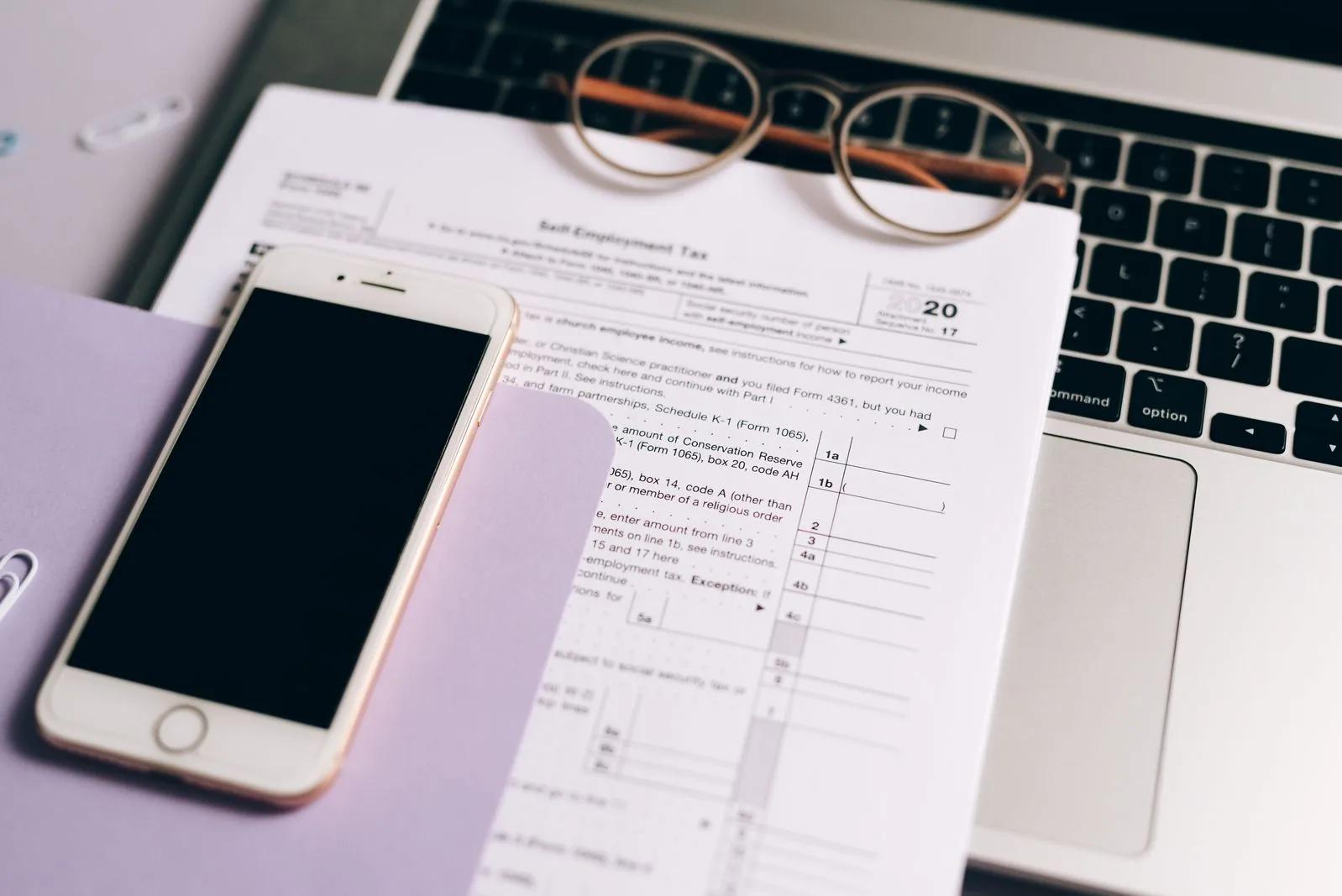
Filing your first Self Assessment tax return starts long before you log in to submit it. First you register with HMRC to get your Unique Taxpayer Reference (UTR), then you file your return online by 31 January following the end of the tax year, paying any tax owed by the same date. The early step most beginners miss is registration: you must tell HMRC you need to file by 5 October after the tax year ends, or you risk a penalty.
If that already sounds like a lot, there's no need to worry. This guide walks you through every stage in plain English, with the correct 2026/27 figures.
Do I Actually Need to File a Tax Return?
Not everyone does. You generally need to file a Self Assessment return for the 2026/27 tax year if any of the following apply:
- You were self-employed as a sole trader and earned more than the £1,000 trading allowance.
- You were a partner in a business partnership.
- You had to pay the High Income Child Benefit Charge.
- You earned untaxed income from renting out property, savings, investments, dividends, or tips and commission.
If your only income is from PAYE employment and it is all taxed at source, you usually won't need to file, a high income on its own no longer triggers a return, so unless one of the reasons above applies or HMRC issues you a notice to file, you can leave it. If you're unsure, our FAQ page covers the most common edge cases, or check the official Self Assessment tax returns overview on GOV.UK.
Step 1: Register With HMRC and Get Your UTR
You cannot file without a Unique Taxpayer Reference (UTR), a 10-digit number HMRC issues when you register.
- Self-employed? Register as a sole trader. This also sets up your Class 4 National Insurance and gives you the option to pay voluntary Class 2 contributions to protect your State Pension record.
- Not self-employed (e.g. landlord or high earner)? Register using form SA1. If you've started letting out property, our guide on registering as a landlord for Self Assessment for the first time walks through the specifics.
Your UTR arrives by post, typically within 10 working days (21 days if you're abroad), so don't leave it to the last minute. You'll also set up a Government Gateway account to file online.
Key deadline: You must register by 5 October 2027 if you need to file for the 2026/27 tax year. Miss it and HMRC can charge a failure-to-notify penalty.
Step 2: Know Your Key Filing Deadlines
The tax year runs from 6 April to 5 April. For 2026/27 the key dates are:
| Deadline | Date | What it covers |
|---|---|---|
| Register with HMRC | 5 October 2027 | Tell HMRC you need to file |
| Paper return | 31 October 2027 | If filing on paper (rare now) |
| Online return | 31 January 2028 | The main filing deadline |
| Pay your tax bill | 31 January 2028 | Balancing payment + first payment on account |
| Second payment on account | 31 July 2028 | If your bill is over £1,000 |
Filing online is the standard route and gives you three extra months over the paper deadline. Our dedicated guide to the Self Assessment filing deadline breaks down exactly what each date means and the penalties for missing them.
Step 3: Gather Your Records and Documents
Before you start, collect everything you'll need:
- Your UTR and Government Gateway login.
- National Insurance number.
- Records of all income: self-employment, P60/P45, dividends, rental income, interest.
- Records of allowable expenses (receipts, invoices, mileage logs).
- Details of pension contributions and Gift Aid donations.
Good record-keeping is where most first-timers either save money or lose it.
Step 4: Understand the 2026/27 Tax Bands
How much tax you pay depends on your total income. The headline figures for England, Wales and Northern Ireland are:
| Band | Taxable income | Rate |
|---|---|---|
| Personal Allowance | Up to £12,570 | 0% |
| Basic rate | £12,571 to £50,270 | 20% |
| Higher rate | £50,271 to £125,140 | 40% |
| Additional rate | Over £125,140 | 45% |
A few allowances that often catch beginners out:
- Dividend allowance: the first £500 of dividends is tax-free.
- Trading allowance: earn up to £1,000 from self-employment or casual work with no tax and no need to report it.
- VAT registration: only relevant once turnover exceeds £90,000.
Your Personal Allowance starts to taper away by £1 for every £2 you earn above £100,000, disappearing entirely at £125,140.
Step 5: Claim the Right Allowable Expenses
If you're self-employed, you only pay tax on your profit, income minus allowable business expenses. Common claims include:
- Mileage at 55p per mile for the first 10,000 business miles, then 25p thereafter.
- A proportion of home, phone and broadband costs if you work from home.
- Equipment and tools, many qualify for the Annual Investment Allowance, which covers up to £1,000,000 of qualifying purchases.
If your expenses are low, the £1,000 trading allowance may give you a better result than itemising. You can use one or the other, not both. See our full list of allowable expenses for sole traders for what you can and cannot claim.
Step 6: Submit Your Return and Pay HMRC
Log into your Government Gateway account, work through the online return section by section, and the system calculates your bill automatically. Review it carefully, submit, and pay by 31 January. You don't have to wait until January, though, our guide on the earliest you can file your Self Assessment tax return explains why filing early gives you more time to budget for the bill.
If your bill is over £1,000, HMRC will ask for payments on account, advance instalments towards next year's tax, due 31 January and 31 July. This often surprises first-timers, as your first January bill can effectively be 150% of the tax due, our guide on why your first tax bill is so high explains exactly why.
Frequently Asked Questions
What happens if I miss the Self Assessment deadline?
You'll get an automatic £100 penalty for filing late, even if you owe no tax. After three months, daily penalties of £10 (up to £900) can apply, with further charges at six and twelve months. Interest is also charged on tax paid late.
What is a UTR number and how do I get one?
A Unique Taxpayer Reference is a 10-digit number that identifies you to HMRC for Self Assessment. You get one automatically when you register, and it's posted to you within about 10 working days. You'll need it every time you file.
Can I file my first tax return myself?
Yes, HMRC's online system is designed for individuals and guides you through each section. That said, if you have multiple income sources, rental property or are newly self-employed, an accountant often saves more than they cost by claiming everything correctly. Our Self Assessment services handle the whole process for you.
Do I pay National Insurance through Self Assessment?
If you're self-employed, yes. Class 4 National Insurance on your profits is calculated and collected through your Self Assessment return alongside your Income Tax.
Filing your first return is far less daunting once it's broken into steps, and you don't have to do it alone. If you'd rather hand it over and know it's done right, get in touch with our team and we'll take care of registration, filing and payment for you.