You can pay your Self Assessment tax bill online via the HMRC app, by bank transfer (Faster Payments, CHAPS or Bacs), by debit card, by Direct Debit, or in person at your bank with a paying-in slip. The fastest options are online or telephone banking and CHAPS, which reach HMRC the same or next working day. The deadline to pay is midnight on 31 January following the end of the tax year.
For the 2025/26 tax year, your balancing payment is due by 31 January 2027, with a second payment on account (if you have one) due by 31 July 2027. Miss it and HMRC charges interest plus possible late-payment penalties.
What you need before you pay
You'll need your 10-digit Unique Taxpayer Reference (UTR) followed by the letter K, for example, 1234567890K. This is your payment reference. Without the right reference, HMRC may not match the payment to your account.
It also helps to know your exact figure. You can find it in your HMRC online account or, if Zmartly files for you, on your tax computation. Keep your HMRC details current while you're there, our guide on how to change your name with HMRC covers updating your record if anything has changed. Knowing the number early lets you choose the cheapest, calmest way to pay rather than scrambling on 31 January.
How to Pay Self Assessment Tax: Every HMRC Method
1. Online or telephone bank transfer (Faster Payments)
The most common method. Log in to your bank and pay HMRC using these details:
- Sort code: 08 32 10
- Account number: 12001039
- Account name: HMRC Cumbernauld
- Reference: your UTR followed by K
Faster Payments usually arrive the same or next day, including weekends and bank holidays. Always confirm the current account details on the official GOV.UK pay your Self Assessment tax bill page before sending money.
2. The HMRC app
The free HMRC app lets you pay through your own bank's app or online banking in a few taps. App payments have grown sharply because they pre-fill your reference, which removes the most common mistake. Search "HMRC" in the App Store or Google Play.
3. CHAPS
For large bills that must clear the same working day, a CHAPS transfer reaches HMRC on the day you send it (within bank cut-off times). Your bank may charge a fee, so it's usually only worth it close to a deadline.
4. Bacs
A standard Bacs transfer takes about 3 working days. Allow extra time if you're paying near 31 January.
5. Debit or corporate credit card online
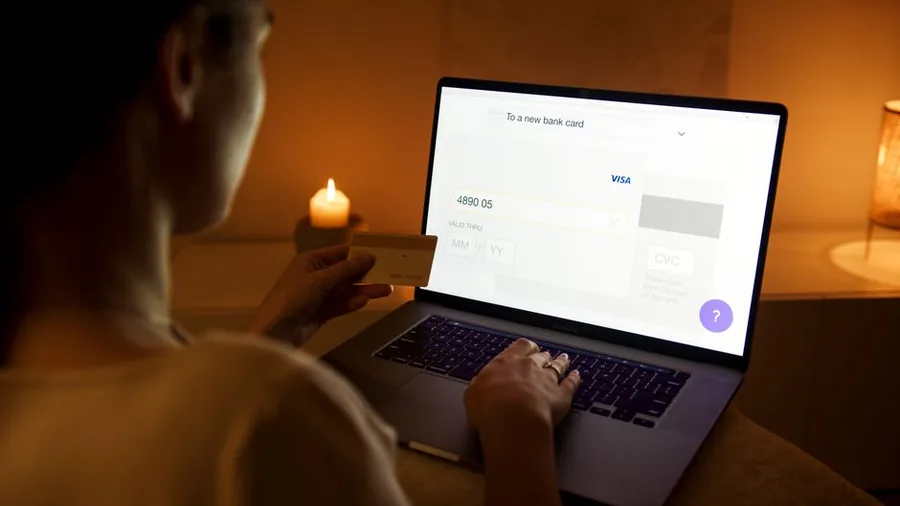
You can pay online with a personal debit card at no charge. Personal credit cards are not accepted. Corporate credit and corporate debit cards are accepted but carry a non-refundable fee, one of several charges worth weighing up in our guide to business bank account fees in the UK.
6. Direct Debit
Set up a single Direct Debit through your HMRC online account. The first one takes 5 working days to process; later ones take 3 working days, so set it up well ahead of the deadline.
7. At your bank or building society
If you still receive paper statements from HMRC, you can pay in branch by cash or cheque using a paying-in slip. Cheques should be made payable to "HM Revenue and Customs only" with your UTR written on the back.
Spreading the cost: payment plans
Book a free Tax Health Check →
If you can't pay in full, you have two routes.
Budget Payment Plan (paying ahead)
A Budget Payment Plan lets you make regular weekly or monthly Direct Debit payments towards your next bill before it's due. You must be up to date with your previous Self Assessment payments to set one up. It's a smart way to avoid a lump-sum shock next January.
Time to Pay (paying late, in instalments)
If you've already missed the deadline or know you can't meet it, a Time to Pay arrangement spreads the cost over monthly instalments. If you owe £30,000 or less and meet the eligibility rules, you can usually set this up online yourself without phoning HMRC. Interest still applies, but it stops penalties from escalating.
What about payments on account?
Many people are caught out by payments on account, advance instalments towards next year's bill. If your last Self Assessment bill was over £1,000 (and less than 80% of your tax was collected at source), HMRC asks for two payments on account, each 50% of your previous year's tax, due 31 January and 31 July.
So your 31 January payment can be larger than expected: the balancing payment for the year just gone plus the first payment on account for the year ahead. Budget for both. If your income has fallen, you can apply to reduce your payments on account, but don't reduce them too far, or you'll owe interest. For a profession-specific worked example, see our breakdown of payments on account for a dentist.
Deadlines and penalties at a glance
- 31 January 2027, balancing payment for 2025/26 plus first payment on account for 2026/27.
- 31 July 2027, second payment on account for 2026/27.
- Pay late and HMRC charges interest from the due date, plus a 5% surcharge on tax still unpaid after 30 days, 6 months and 12 months.
The cleanest way to avoid all of this is to know your number early and pick a method with enough lead time. Our Self Assessment service calculates your bill, flags payments on account before they bite, and tells you exactly what to pay and when. For quick questions on references, deadlines or methods, see our FAQ.
Frequently Asked Questions
What's the fastest way to pay my Self Assessment tax bill?
Online or telephone banking using Faster Payments is the quickest way to pay your tax bill, reaching HMRC the same or next day, including weekends and bank holidays. CHAPS also clears the same working day but your bank may charge a fee. Whichever you choose, always use your UTR followed by the letter K as the payment reference so HMRC matches the money to your account.
How do I pay Self Assessment tax if I can't pay it all at once?
If you owe £30,000 or less and meet the eligibility rules, you can usually set up a Time to Pay arrangement online to spread the cost over monthly instalments without phoning HMRC. Interest still applies, but it stops penalties escalating. If you want to pay ahead instead, a Budget Payment Plan lets you make regular Direct Debit payments towards next year's bill before it's due.
What is the reference for a Self Assessment payment?
Your payment reference is your 10-digit Unique Taxpayer Reference (UTR) followed by the letter K, for example 1234567890K. Use it on every method, bank transfer, app, card or cheque, so HMRC matches the money to your account. Without the correct reference your payment may sit unallocated and you could still be charged late-payment interest.
What happens if I pay my Self Assessment tax bill late?
HMRC charges interest from the due date, plus a 5% surcharge on tax still unpaid after 30 days, again after 6 months, and again after 12 months. If you cannot pay in full, set up a Time to Pay arrangement as soon as possible: interest still applies but it stops the surcharges escalating.
Talk to a Zmartly accountant
Not sure whether you have a payment on account, or worried you can't pay in full? A short chat now beats a penalty later. Get in touch with a Zmartly accountant and we'll make sure your Self Assessment bill is right, paid on time, and as low as it legitimately can be.