From fuel duty changes to self-driving cars and EV tax reforms, here's every new rule affecting UK motorists this year.
UK car regulations change significantly in 2026: the fuel duty freeze ends in September, most electric vehicles start paying around £200 road tax and lose the London congestion charge exemption, company car Benefit in Kind rates rise, Euro 7 emissions standards phase in from November, and a proposed Road Safety Strategy targets drink-driving and older drivers.
What are the new UK car regulations coming in 2026?
This year brings one of the most comprehensive updates to UK car regulations in recent memory. Whether you drive a petrol car, an electric vehicle, or you're running a fleet of company cars, there are changes you need to know about.
The biggest shift? The end of the fuel duty freeze in September 2026. After years of frozen rates, motorists will see gradual price increases at the pump as the government phases out the 5p discount.
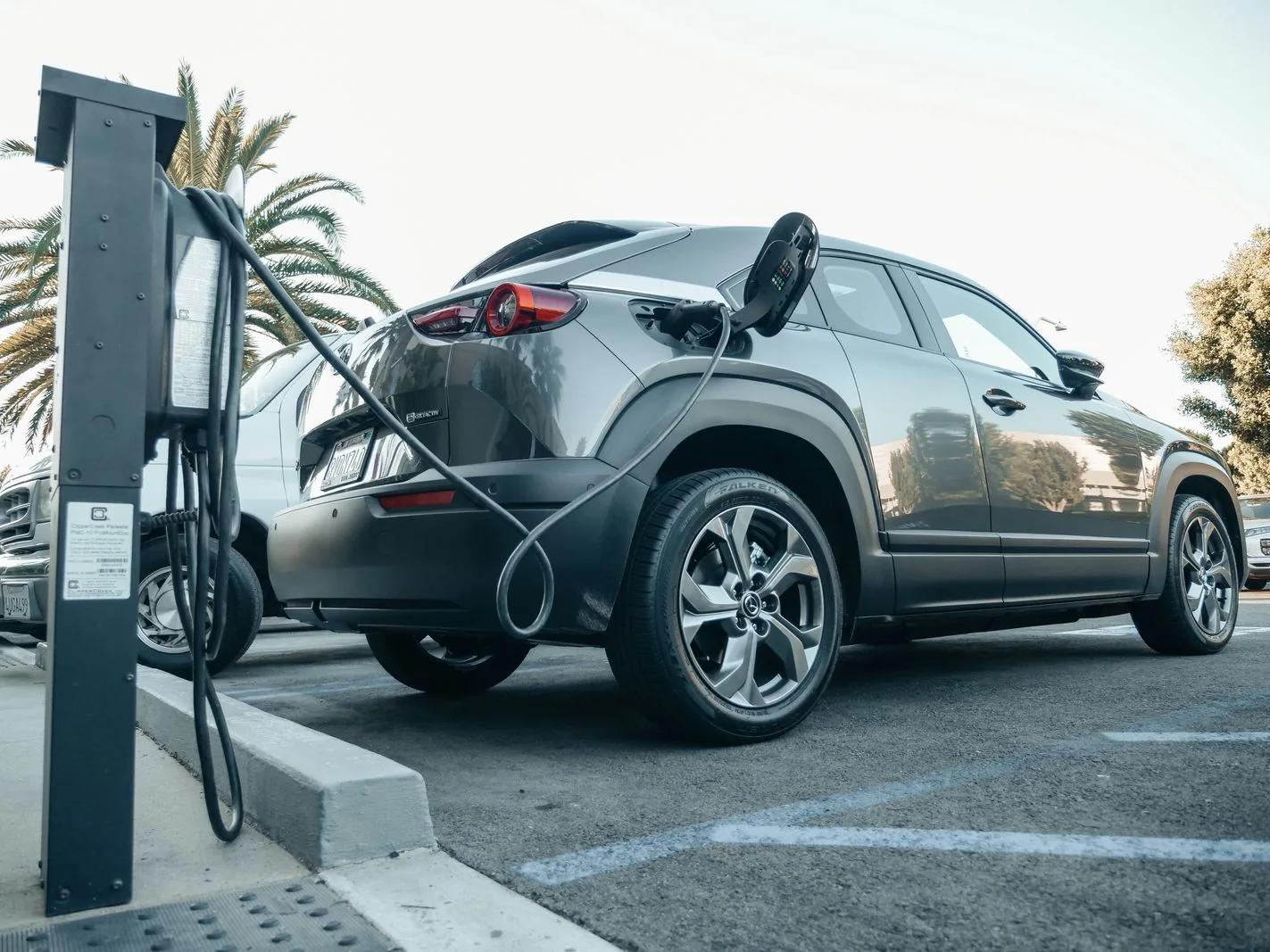
Electric vehicle owners aren't immune either. New tax rules mean most EV drivers will pay the standard rate of road tax (around £200) for the first time, and the congestion charge exemption has been scrapped entirely.
Add to that a proposed Road Safety Strategy targeting drink-drivers and older motorists, the planned arrival of self-driving cars, new emissions standards phasing in from November, and digital driving licences, and you've got a year packed with regulatory change.
It's important to distinguish between what's confirmed law and what's still under consultation. The fuel duty changes, EV tax reforms, and emissions standards are definite. The Road Safety Strategy measures are proposals being consulted on throughout early 2026.
Here's what you need to know about each one.
When does the fuel duty freeze end and what will it cost?
The fuel duty freeze ends in September 2026. The current rate of 52.95 pence per litre will rise gradually until it reaches inflation-adjusted levels by April 2027, so an average driver filling 50 litres a week could pay around £2.50 more per fill-up, or over £130 a year.
The fuel duty freeze, which has kept prices artificially lower since 2011, is coming to an end in September 2026. The current rate of 52.95 pence per litre will start to rise gradually until it reaches inflation-adjusted levels by April 2027.
For the average motorist, this means you'll be paying more every time you fill up. How much more depends on how quickly the government phases out the discount, but expect noticeable increases towards the end of the year.
Real-world example: If you're an average driver filling up 50 litres weekly, you could see around £2.50 extra per fill-up once the changes are fully implemented. That's over £130 more per year just on fuel.
The 5p cut was introduced during a period of sky-high fuel prices and has been extended year after year. But with the government looking to balance the books and encourage greener transport options, the freeze was always going to end eventually.
If you're a business owner with company vehicles or a fleet, now's the time to review your fuel budgets and consider whether switching to more fuel-efficient or electric vehicles makes financial sense.
For the tax side of running vehicles through your business, see our income tax calculator and company car guidance.
Source: Autumn Budget 2025 (GOV.UK).
What's in the new Road Safety Strategy for 2026?
The government's Road Safety Strategy, launched for consultation in early 2026, is one of the most ambitious proposals in years, targeting some of the biggest causes of road accidents and fatalities.
The headline measures being consulted on include:
Lowering the drink-driving limit: The current limit in England and Wales is 80 milligrams of alcohol per 100 millilitres of blood. The government is considering reducing this to bring it in line with Scotland's limit of 50 milligrams.
Alcohol interlock systems: Convicted drink-drivers could be required to fit breathalyser devices in their cars that prevent the engine from starting if alcohol is detected.
Mandatory tests for older drivers: Drivers over 70 may face compulsory eye and cognitive tests to ensure they're still fit to drive safely.
Harsher seatbelt penalties: Fines for not wearing a seatbelt are set to increase significantly as part of the crackdown.
Autonomous emergency braking: All new vehicles will be required to have automatic emergency braking systems fitted as standard.
Young driver measures: Proposals for minimum learning periods and graduated licensing systems for new drivers.
Rod Dennis, road safety spokesperson for the RAC, welcomed the proposals, particularly the alcohol interlock commitment. He said the strategy addresses "many areas we know drivers are concerned about, including drink and drug-driving, ghost plates and dazzling headlights."
It's crucial to note these are still proposals at this stage. Formal consultations are taking place throughout early 2026 before any legislation is introduced. The government is seeking feedback from motorists, road safety groups, and industry stakeholders.
Source: Road Safety Strategy consultation (GOV.UK).
What is the new drink driving limit proposal for the UK?
One of the most significant elements of the Road Safety Strategy is the proposed reduction in the drink-driving limit for England and Wales. Currently, the legal limit is 80 milligrams of alcohol per 100 millilitres of blood, but the consultation is considering lowering this to 50 milligrams.
This would bring England and Wales in line with Scotland, which already operates the lower 50 milligram limit. It would also align the UK with most other European countries.
What does this mean in practical terms? Under the current 80mg limit, most people can have a pint of beer or a large glass of wine and still be under the limit (though this varies by body weight, metabolism, and other factors). Under a 50mg limit, even one drink could put you over.
The proposal is part of a wider effort to reduce drink-driving incidents, which still account for a significant proportion of road deaths each year. If approved following consultation, the change could come into effect as early as 2027.
Remember, these are consultation proposals as of early 2026. No final decision has been made, and the government is actively seeking public feedback before proceeding.
What are the new driving rules for over-70s?
Another controversial element of the Road Safety Strategy consultation is the proposal to introduce mandatory testing for drivers over 70. Currently, drivers in this age group only need to renew their licence every three years and self-declare that they're fit to drive.
Under the new rules being considered, the over-70s would need to pass:
Eye tests: To ensure vision meets the required standard for safe driving. This would check both visual acuity and peripheral vision.
Cognitive assessments: To check that reaction times and decision-making abilities haven't declined to a dangerous level. These wouldn't be full medical exams, but standardised tests to assess driving-relevant cognitive functions.
The proposal has sparked considerable debate. Supporters argue it's a sensible safety measure given the increasing number of older drivers on UK roads and the natural decline in vision and reaction times with age. Critics say it's age discrimination and that fitness to drive should be assessed on an individual basis, not by age alone.
No final decision has been made yet, and the consultation period will include extensive input from older driver groups, medical professionals, and road safety organisations. If approved, any changes would likely include a significant lead-in period before implementation.
If you're over 70 or approaching that age, it's worth keeping an eye on developments throughout 2026 and participating in the consultation if you have views on the proposals.
How are electric vehicle taxes changing in 2026?
From April 2026 most electric vehicles pay the standard rate of road tax (around £200 a year, up from £195), new EVs still pay £10 in year one, and the Expensive Car Supplement threshold for zero-emission cars rises from £40,000 to £50,000, per GOV.UK. Company car Benefit in Kind for EVs rises from 3% to 4%.
EV tax | 2025/26 | From April 2026 |
Standard road tax (VED) | £195 | Around £200 |
First-year rate (new EV) | £10 | £10 |
Expensive Car Supplement threshold | £40,000 | £50,000 |
Company car Benefit in Kind rate | 3% | 4% |
Electric vehicle owners have enjoyed years of tax benefits, but many of those perks are being scaled back or removed entirely in 2026.
Here's what's changing:
Road tax (Vehicle Excise Duty): Most EV owners will now pay the standard rate of around £200 per year from April 2026 (rising from £195 in 2025/26). Electric vehicles started paying road tax in April 2025, but new registrations were offered a discounted rate of just £10 in the first year. From 2026 onwards, new EV buyers still pay £10 in year one, then the full standard rate from year two.
Expensive Car Supplement (ECS): If your EV has a list price over £40,000, you've been paying an additional sum on top of your road tax. From April 2026, the threshold for zero-emission vehicles rises to £50,000, meaning some drivers will escape this charge entirely. This is a rare piece of good news for EV owners.
First-year rates: New EV buyers will continue to pay £10 in the first year, then around £200 from year two onwards.
These changes reflect the government's long-term plan to bring EV taxation in line with petrol and diesel vehicles as electric car adoption increases. The Treasury needs to replace the revenue lost from fuel duty, and taxing EVs is part of that strategy.
If you're considering buying an electric vehicle, factor these ongoing costs into your budget. The days of near-zero running costs for EVs are coming to an end, though they still remain cheaper to run than petrol or diesel equivalents when you factor in fuel savings.
Source: Vehicle tax for electric and low emission vehicles (GOV.UK).
Do I need to pay congestion charges for my electric car?
Yes. Since the Cleaner Vehicle Discount ended on 25 December 2025, electric vehicles pay the London Congestion Charge. EVs registered on Auto Pay get a 25% discount, paying £13.50 a day instead of £18; electric vans and HGVs get 50% off at £9 a day, per Transport for London.
As of January 2026 (following the end of the Cleaner Vehicle Discount on 25 December 2025), electric vehicles are no longer exempt from the London Congestion Charge. This is a significant change for EV owners who've been enjoying free access to the congestion zone for years.
Here's how it works now:
Standard rate for EVs: Electric cars registered on Auto Pay get a 25% discount on the standard congestion charge, meaning you'll pay £13.50 per day (instead of £18) if you pay on or before the day of travel.
Electric vans and HGVs: Can get a 50% discount if registered on Auto Pay, bringing the cost down to £9 per day.
Standard charges: For all other vehicles, it's £18 per day if paid on or before travel, or £21 if paid within three days afterwards.
The Cleaner Vehicle Discount, which previously exempted EVs completely, has been scrapped. Transport for London says the change reflects the increasing number of electric vehicles on the road and the need to manage congestion effectively.
Real-world example: An EV driver who commutes into central London five days a week will now pay £13.50 daily with the discount, totalling £67.50 per week or around £3,510 per year (assuming 52 weeks). Previously, this cost was zero. That's a substantial increase in running costs that many EV owners hadn't budgeted for.
If you're an EV owner who regularly drives into London, this could add thousands of pounds to your annual motoring costs. It's worth reviewing whether public transport, Park and Ride options, or adjusting your working patterns might be more economical.
Source: Congestion Charge rates and discounts (Transport for London).
How is company car tax changing this year?
Company car tax, or Benefit in Kind (BiK) tax, rises from April 2026: the EV rate increases from 3% to 4%, while the most polluting cars reach 37%. BiK is based on the car's list price, its CO2 emissions and your income tax band, so even small percentage rises add up.
Electric vehicles: The BiK rate for EVs increases from 3% to 4% from 6 April 2026. While this is still significantly lower than petrol or diesel cars, it represents a meaningful increase in tax for electric company car drivers.
High-emission vehicles: The BiK rate for the most polluting vehicles will reach 37%, making them increasingly expensive for both employers and employees.
Standard progression: Most other vehicle categories see modest increases as part of the government's published schedule of rates through to 2028.
For context, BiK tax is calculated based on the car's list price, its CO2 emissions, and your personal income tax rate. Even small percentage increases can translate into meaningful extra costs each year.
Example calculation: If you have an electric company car worth £40,000 and you're a higher rate (40%) taxpayer:
- 2025/26 tax year (3% BiK): £40,000 × 3% × 40% = £480 per year
- 2026/27 tax year (4% BiK): £40,000 × 4% × 40% = £640 per year
- That's an extra £160 in tax annually.
Despite the increase, electric vehicles still offer the lowest tax burden by far compared to petrol or diesel alternatives. A petrol company car of the same value could have a BiK rate of 25% or higher, resulting in tax bills of £4,000 or more annually.
If you're choosing a new company car in 2026, electric vehicles remain the most tax-efficient option, but the days of near-zero BiK rates are gone, so factor the higher costs into your decision.
You can estimate the personal tax on a company car with our income tax calculator.
What is the pay-per-mile charge for electric vehicles from 2028?
Looking ahead beyond 2026, the government has announced plans for a pay-per-mile road pricing system for electric vehicles starting in 2028. This is part of the long-term strategy to replace revenue lost from fuel duty as more drivers switch to electric vehicles.
Here's what we know so far:
Rate structure: Electric vehicles will be charged approximately 3 pence per mile, while plug-in hybrid electric vehicles (PHEVs) will pay around 1.5 pence per mile.
Collection method: The charges will be tracked and collected through the MOT system, with mileage recorded at annual tests and drivers billed accordingly.
Revenue replacement: As fuel duty brings in around £25 billion annually for the Treasury, the government needs alternative revenue sources as petrol and diesel vehicles are phased out.
Timeline: The system is expected to launch in 2028, though implementation details are still being finalised.
Real-world example: If you drive 10,000 miles per year in an electric vehicle, you'd pay around £300 annually under the pay-per-mile system (10,000 × £0.03). This is on top of your standard road tax of around £200, bringing total vehicle taxation to £500 per year.
For comparison, a petrol car driver covering the same mileage at 40mpg would currently pay around £900 in fuel duty alone, so EVs will still have a cost advantage even with the new charges.
The pay-per-mile system is controversial, with critics arguing it could discourage EV adoption and disproportionately affect rural drivers who have no public transport alternatives. The government maintains it's necessary to ensure fair taxation and fund road maintenance as the vehicle fleet electrifies.
This doesn't affect 2026 directly, but it's worth factoring into your long-term planning if you're considering switching to an electric vehicle.
Are self-driving cars legal in the UK now?
Yes, self-driving cars are set to become a reality on UK roads in 2026 following the landmark Automated Vehicles Act passed in 2024. The legislation creates a comprehensive legal framework for autonomous vehicles, including self-driving taxis, private hire vehicles, and buses.
Waymo, the self-driving taxi company owned by Google's parent company Alphabet, has announced plans to launch pilot services in London during spring 2026, with potential commercial rollout later in the year. This would make London one of the first major European cities to offer fully autonomous taxi services.
Lilian Greenwood, a Department for Transport minister, said self-driving vehicles represent "one of the most exciting opportunities to improve transport for so many people, especially those in rural areas or unable to drive."
The new legislation establishes clear rules around:
Liability: When something goes wrong with an autonomous vehicle, the legal framework determines who's responsible (usually the manufacturer or operator, not the passenger).
Safety standards: Autonomous vehicles must meet stringent testing and certification requirements before being approved for UK roads.
Insurance: Special insurance frameworks cover autonomous vehicle incidents, protecting both operators and other road users.
Initially, you're likely to see self-driving vehicles in controlled environments like dedicated taxi services or fixed bus routes. Fully autonomous private cars available for general purchase are still several years away.
The rollout in 2026 is expected to be gradual, starting with pilot programmes and expanding based on safety performance and public acceptance. Exact dates remain subject to regulatory approval and operational readiness.
Source: Automated Vehicles Act 2024 (GOV.UK).
What are the new Euro 7 emissions standards?
The UK is adopting Euro 7 emissions standards in a phased approach starting in November 2026. This represents the first major update to emissions regulations since Euro 6 was introduced in 2015.
Timeline:
- November 2026: Euro 7 becomes mandatory for new vehicle types
- November 2027: Euro 7 required for all new cars and vans sold in the UK
Euro 7 standards are designed to reduce harmful pollutants from vehicle exhausts, including nitrogen oxides (NOx) and particulate matter. The regulations align UK standards with those being adopted across the European Union.
What does this mean in practice?
For car manufacturers: They'll need to ensure new models meet stricter limits on emissions under a wider range of driving conditions, not just in laboratory tests. This includes real-world driving scenarios and emissions from brake and tyre wear.
For buyers: New cars will be cleaner and potentially slightly more expensive as manufacturers pass on the cost of compliance. However, the improvements should result in better air quality in urban areas.
For existing vehicle owners: Your current car isn't affected. Euro 7 only applies to new vehicles from the implementation dates onwards. You won't need to retrofit or upgrade.
Buses and heavy goods vehicles will eventually need to meet Euro 7 standards too, but there's currently no confirmed rollout date for these vehicle types beyond 2027.
If you're planning to buy a new car in late 2026 or 2027, check whether it already meets Euro 7 standards or if you'll be getting a Euro 6 vehicle that might have lower resale value in the future.
Source: Euro emissions standards (GOV.UK).
When will digital driving licences be available?
Digital driving licences are set to launch in the UK during 2026 as part of the government's Plan for Change. The aim is to offer a secure digital alternative to physical paper or card licences by 2027, with pilot versions and early rollouts arriving this year.
Here's what we know so far:
Not mandatory: Physical driving licences will remain valid, and you won't be forced to switch to a digital version. The digital option is purely for convenience.
Secure access: The digital licence will be accessible through a secure government app on your smartphone, similar to how digital boarding passes or COVID passes worked.
Still need your physical licence: Even when digital licences launch, you'll still need to keep your physical licence safe. It's likely that police and other authorities will accept digital versions for roadside checks, but certain official processes may still require the physical card.
Phased rollout: Early testing and private pilots began in late 2025, with wider availability expected throughout 2026 and full rollout by 2027.
The digital licence is part of a broader government initiative to modernise credentials and reduce reliance on physical documents. Similar systems are already in use in other countries, including several US states and Australia, where they've proven popular with drivers.
We're expecting more details throughout 2026 about exactly when the digital licences will launch nationally and how they'll work in practice, including which organisations will accept them.
Source: Digital driving licence (GOV.UK).
What are the UK vehicle import policy requirements?
While there are no major changes to the UK vehicle import policy specifically for 2026, it's important to understand the current requirements if you're bringing a car into the country or planning extended European travel.
UK car registration requirements: Any vehicle imported from abroad must be registered with the DVLA within two weeks of arriving in the UK. You'll need:
- Proof of ownership
- A valid MOT certificate (if the vehicle is over three years old)
- Vehicle type approval or individual vehicle approval documentation
- Proof of identity and UK address
UK used car import regulations: Used vehicles from the EU can generally be imported without major issues, but you'll need to pay VAT and potentially customs duty depending on the vehicle's origin and value. Since Brexit, additional documentation is required for EU imports.
How long can a UK-registered car stay in Europe?: After Brexit, UK-registered vehicles can stay in the EU for up to six months in any 12-month period without needing to re-register. If you're planning longer trips or semi-permanent residence abroad, you may need to register the vehicle in that country. Rules vary by nation, so check specific requirements for your destination.
Change of address car is registered to UK You must update your vehicle registration address within a reasonable time of moving. You can do this online through the DVLA website or by completing section 3 of your V5C registration certificate and sending it to DVLA, Swansea, SA99 1BA.
If you're importing a vehicle or planning extended European travel with your UK-registered car, make sure you're familiar with the latest requirements. Rules can change, particularly around emissions standards and type approval.
Source: Importing vehicles into the UK (GOV.UK).
Does UK car tax automatically renew?
Yes, as long as you've set up a Direct Debit with the DVLA, your UK car tax will automatically renew. This is the easiest way to make sure you never accidentally drive without valid tax.
Here's how it works:
First-time setup: When you tax your vehicle, you can choose to pay by Direct Debit, either monthly or annually. The DVLA will then automatically renew your tax each year.
Automatic renewal: Your Direct Debit payment will be taken a few days before your current tax expires, ensuring continuous coverage with no gap.
Reminder letters: Even with automatic renewal, you'll still receive a reminder letter (V11) from the DVLA before your tax is due, so you're always aware of upcoming payments.
Changing your vehicle: If you sell your car or buy a new one, you'll need to set up a new Direct Debit for the new vehicle. Tax doesn't transfer between vehicles.
Cancellation: You can cancel your Direct Debit at any time, but you'll then be responsible for manually renewing your tax each year.
Without automatic renewal, you're responsible for remembering to renew your tax annually. Miss the deadline, and you could face an £80 fine or even prosecution if you continue to use the vehicle on public roads without valid tax.
The DVLA also operates an Automatic Number Plate Recognition (ANPR) system that can detect untaxed vehicles, so driving without tax is increasingly risky even for short journeys.
Source: Set up a Direct Debit for vehicle tax (GOV.UK).
Frequently Asked Questions
What are the 7 new driving rules in the UK for 2026?
The seven key changes are: fuel duty freeze ending in September, proposed Road Safety Strategy (including lower drink-drive limits and tests for over-70s), electric vehicle tax increases, new congestion charge rules for EVs, company car tax progression, self-driving cars becoming legal with expected pilots, and Euro 7 emissions standards phasing in from November.
When does the fuel duty freeze end in the UK?
The fuel duty freeze ends in September 2026. The current rate of 52.95p per litre will gradually increase until it's aligned with inflation by April 2027.
Do electric cars pay congestion charges now?
Yes. Since January 2026 (following the end of the Cleaner Vehicle Discount on 25 December 2025), electric vehicles are no longer exempt from the London Congestion Charge. EVs registered on Auto Pay now get a 25% discount, paying £13.50 per day instead of the full £18 rate.
How much is road tax for electric vehicles in 2026?
Most electric vehicle owners will pay around £200 per year from April 2026 (the standard rate, up from £195). New EV buyers pay £10 in the first year, then around £200 from year two onwards.
What are the new driving rules for over-70s?
The government has proposed mandatory eye and cognitive tests for drivers over 70 as part of the Road Safety Strategy. This is currently under consultation as of early 2026 and hasn't been confirmed yet.
What is the new drink driving limit proposal in the UK for 2026?
The Road Safety Strategy consultation proposes reducing the drink-driving limit in England and Wales from 80 milligrams to 50 milligrams of alcohol per 100 millilitres of blood, matching Scotland's current limit. This is still under consultation.
Are self-driving cars legal in the UK?
Yes. Following the Automated Vehicles Act 2024, self-driving cars are now legal in the UK. Pilot services for self-driving taxis, private hire vehicles, and buses are expected to launch during 2026, with Waymo planning to launch in London.
What is Euro 7 and when does it start?
Euro 7 is the latest emissions standard for vehicles. It becomes mandatory for new vehicle types from November 2026, and for all new cars and vans from November 2027, replacing the Euro 6 standards in place since 2015.
Can I use a digital driving licence instead of a physical one?
Digital driving licences are launching during 2026, but they won't be mandatory. Physical licences will remain valid, and you should continue to keep yours safe even after digital versions become available.
Does UK car tax automatically renew?
Yes, if you've set up a Direct Debit with the DVLA. Your vehicle tax will automatically renew each year, with payment taken a few days before your current tax expires.
How long can a UK-registered car stay in Europe?
After Brexit, UK-registered vehicles can stay in the EU for up to six months in any 12-month period without needing to re-register. Check specific requirements for the country you're visiting.
What is the pay-per-mile charge for electric vehicles?
From 2028, electric vehicles will be charged approximately 3 pence per mile under a new pay-per-mile system, tracked through the MOT. This is on top of standard road tax and is designed to replace lost fuel duty revenue.
Can I change the address my car is registered to online?
Yes. You can update your vehicle registration address online through the DVLA website or by completing section 3 of your V5C registration certificate and posting it to the DVLA.
What are the UK car import policy rules?
All vehicles imported into the UK must be registered with the DVLA within two weeks of arrival. You'll need proof of ownership, a valid MOT (if applicable), and vehicle approval documentation. VAT and customs duty may also apply to vehicles from outside the UK.
What is the expensive car supplement threshold for electric vehicles?
From April 2026, the Expensive Car Supplement threshold for zero-emission vehicles rises from £40,000 to £50,000. This means EVs priced below £50,000 won't pay the additional supplement on top of standard road tax.