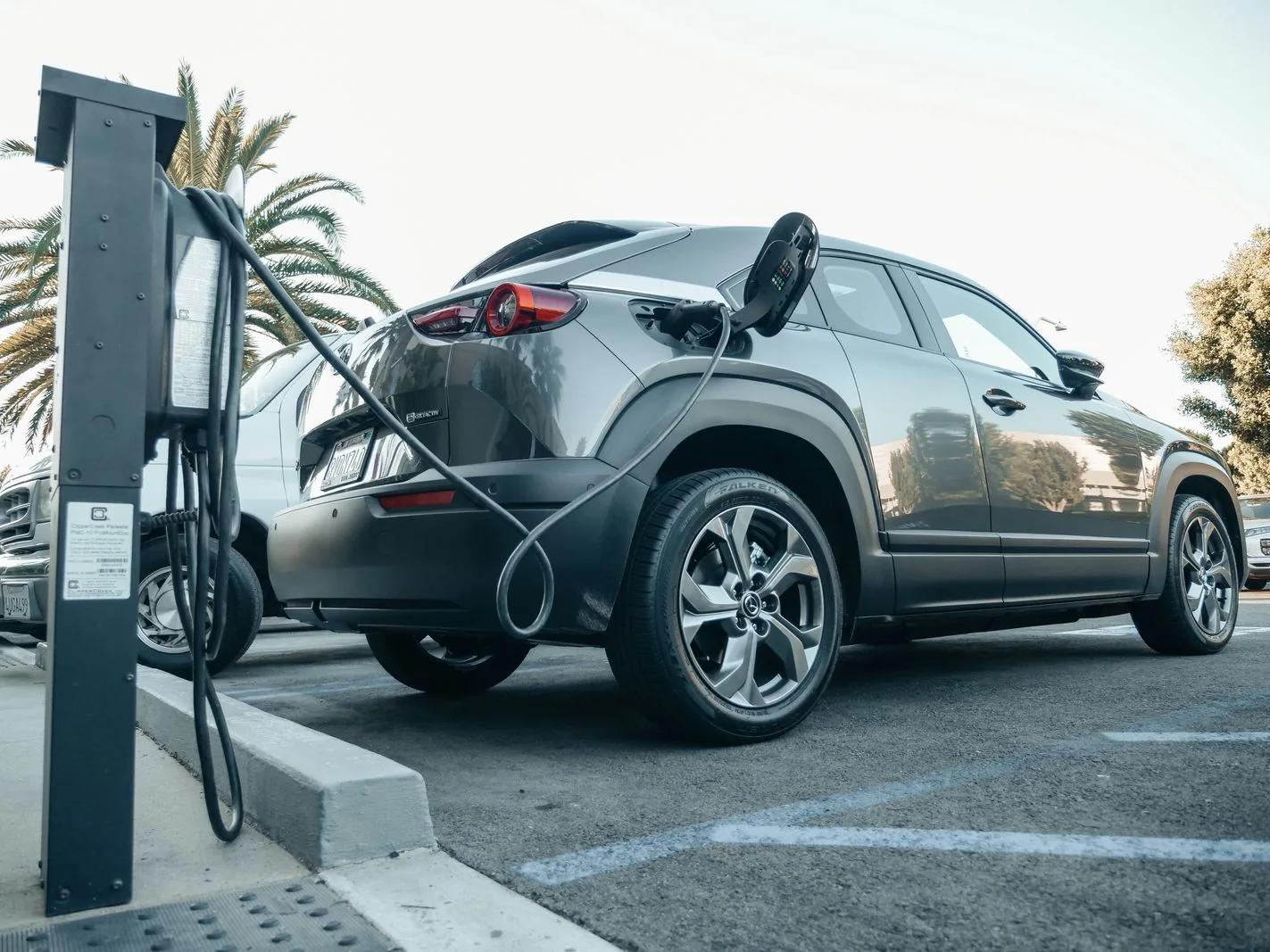
For 2026/27, electric company car tax is charged on a benefit-in-kind (BiK) rate of 4% of the car's list price. A £40,000 EV therefore gives a taxable benefit of £1,600, costing a basic-rate director £320 a year and a higher-rate director £640 a year. That is far cheaper than a petrol or diesel equivalent, where rates routinely reach 25-37%.
This is why an electric company car remains one of the most tax-efficient perks a limited company owner can give themselves in 2026/27. Here is exactly how the figures work.
What Is Benefit-in-Kind Tax on a Company Car?
When your company provides a car you can use privately, HMRC treats that as a taxable benefit in kind. You pay income tax on a percentage of the car's value, and your company pays Class 1A National Insurance on the same amount.
The taxable benefit is worked out as:
P11D value × appropriate percentage (the BiK rate) = taxable benefit
The P11D value is broadly the list price including VAT, delivery and most factory options, but excluding the first registration fee and road tax. The appropriate percentage is set by your car's CO₂ emissions, and for a zero-emission electric car, that percentage is very low.
Electric Company Car BiK Rates for 2026/27 and Beyond
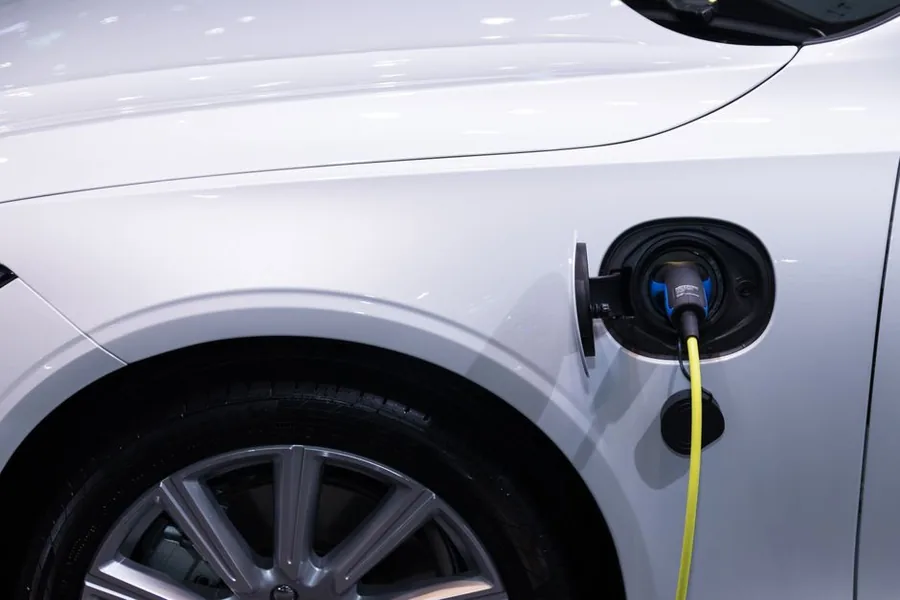
The zero-emission (0 g/km) BiK rate rises by one percentage point each year:
| Tax year | EV BiK rate (0 g/km) |
|---|---|
| 2025/26 | 3% |
| 2026/27 | 4% |
| 2027/28 | 5% |
| 2028/29 | 7% |
| 2029/30 | 9% |
So for 2026/27 the rate is 4%. Even with the planned increases, electric cars stay far below combustion vehicles for years to come, giving directors a long runway of low-tax motoring. These rates are confirmed in HMRC's official guidance on the appropriate percentage for company car benefits.
Worked Example: a £45,000 Electric Company Car
Here are the numbers for 2026/27 on a typical EV with a P11D value of £45,000.
- Taxable benefit: £45,000 × 4% = £1,800
- Basic-rate (20%) director pays: £1,800 × 20% = £360 a year
- Higher-rate (40%) director pays: £1,800 × 40% = £720 a year
Your company also pays Class 1A National Insurance at 15% on the £1,800 benefit, which is £270, and that cost is itself deductible for corporation tax.
By contrast, a £45,000 diesel at a 30% BiK rate would create a £13,500 benefit, costing a higher-rate taxpayer £5,400 a year. The electric car saves that director over £4,600 a year.
Why Buying the EV Through Your Limited Company Works So Well
For an owner-managed company, an electric car stacks up unusually well because three reliefs combine:
- Low BiK, just 4% of list price in 2026/27, as above.
- 100% first-year capital allowance, a new, unused zero-emission car bought by the company can be fully written off against profits in year one (separate from the £1,000,000 Annual Investment Allowance, which doesn't cover cars).
- Reclaimable VAT on charging and running costs, plus corporation tax relief on lease payments, insurance and servicing.
This is one of the few areas where the limited company route clearly beats taking dividends and buying personally. We cover the wider trade-offs in our guide for limited companies.
Salary Sacrifice: the Other Route to an Electric Company Car
You don't have to own the car outright. Many directors and employees now access EVs through a salary sacrifice scheme, giving up gross salary in exchange for the car. Because you sacrifice pre-tax income and only pay the 4% BiK, the effective cost can be 30-40% lower than leasing personally, particularly for higher-rate taxpayers. The same 2026/27 BiK rate applies. If you are weighing how to extract value from your company tax-efficiently more broadly, our guide to salary vs dividends for 2026/27 sets out the wider picture, and salary sacrifice explained covers how giving up gross pay works in practice.
What About Charging and Electricity Costs?
Workplace charging and company-paid electricity for a company EV are not treated as a separate taxable fuel benefit, there is no fuel benefit charge for electricity. If you charge a company car at the company's expense, there is nothing extra to report. For business mileage in your own electric car, you can claim the standard 55p per mile for the first 10,000 miles and 25p thereafter.
Frequently Asked Questions
How much is electric company car tax in 2026/27?
The BiK rate is 4% of the car's P11D (list) price. On a £40,000 EV that is a £1,600 benefit, £320 of tax for a basic-rate director or £640 for a higher-rate director, per year.
Is an electric company car still worth it after the rate increases?
Yes. Even at 9% in 2029/30, electric cars remain far cheaper than petrol or diesel models, which sit at 25-37%. The combination of low BiK and the 100% first-year allowance keeps EVs the most tax-efficient option for directors.
Do I pay tax on electricity for a company electric car?
No. There is no fuel benefit charge on electricity, so company-funded charging for a company EV creates no extra taxable benefit. Personal-car business mileage is claimed at 55p/25p instead.
Can my limited company reclaim VAT on an electric company car?
Generally you can reclaim VAT on charging and running costs, but VAT on the purchase of a car is usually blocked where there is any private use. Leasing typically allows a 50% VAT recovery on the finance element. Get advice on your specific arrangement. See our FAQ for more.
Book a free Tax Health Check →
Talk to Us Before You Order the Car
Getting the structure right, purchase versus lease versus salary sacrifice, can be worth thousands over the life of the vehicle, and the best choice depends on your profit, your tax band and how long you will keep the car. If you are a director weighing up an electric company car for 2026/27, get in touch with Zmartly and we will model the numbers for your situation before you sign anything.