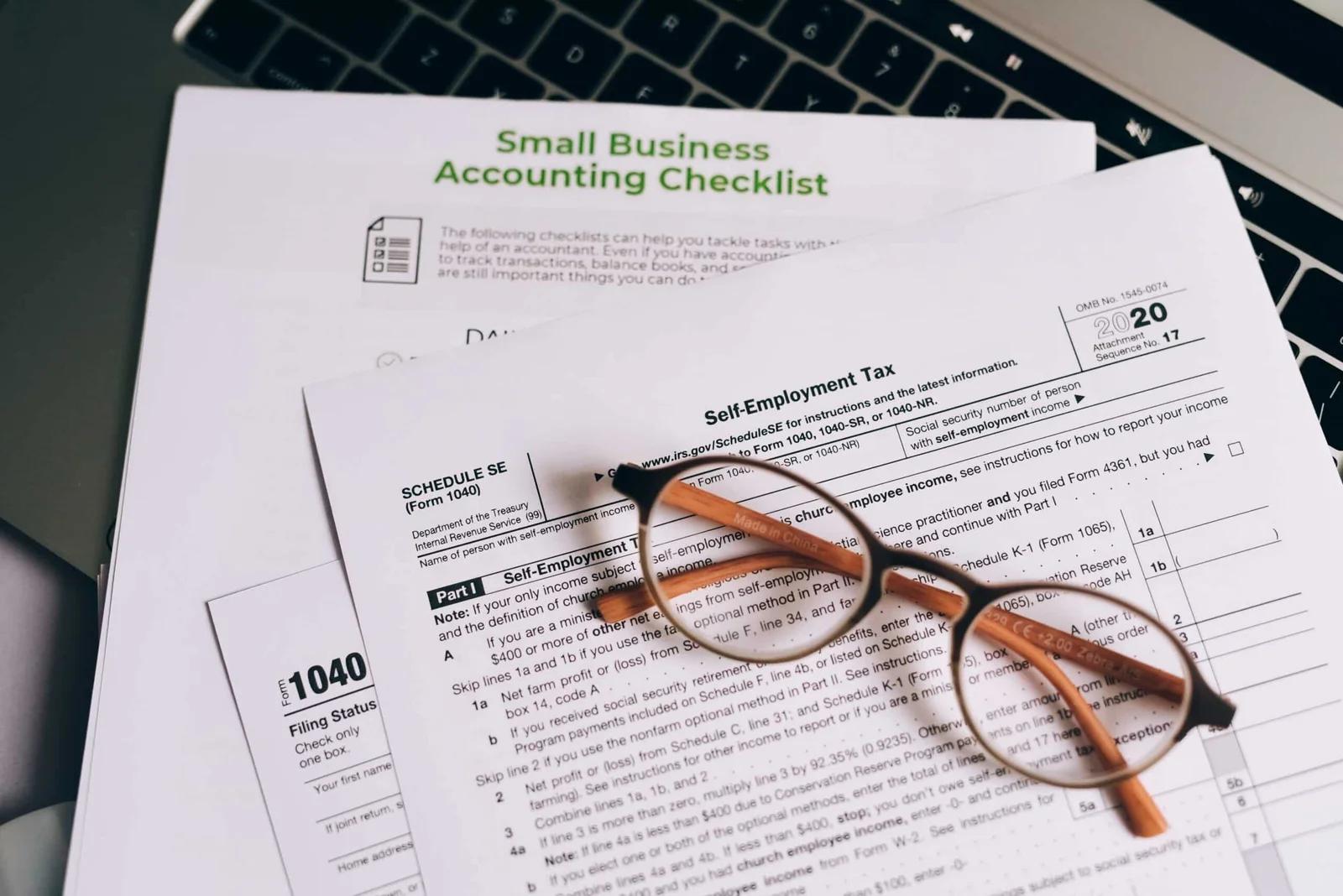
Save money and reduce errors by avoiding the top business expense tracking mistakes.
Tracking expenses for business may seem simple, but it’s easy to make mistakes that can cost you tax deductions. In this blog, we’ll break down the most common errors small business owners make when tracking business expenses, and how to fix them before they hurt your bottom line.
What are the most common expense tracking mistakes?
The most common expense tracking mistakes are mixing personal and business spending, failing to keep receipts, miscategorising costs, ignoring recurring subscriptions, and only reviewing expenses at year end. Each one risks missed tax deductions or HMRC penalties, and all are avoidable with a separate business account and regular, little-and-often record-keeping.
Why Accurate Expense Tracking is Crucial for Small Businesses

Keeping track of your expenses properly ensures that you never miss a valid tax deduction. Accurate tracking also provides clear insights into your business's financial health, helping you make better decisions. HMRC also requires you to keep your business records for at least six years (see its record-keeping guidance).
5 Common Mistakes Small Business Owners Make
1. Mixing Personal and Business Expenses
One of the most common errors is mixing personal and business expenses in the same account or card. This makes it difficult to track business expenses accurately and can cause problems during tax time.
Solution:
Keep separate bank accounts and credit cards for your business and personal expenses. This makes it easy to track and claim business expenses.
2. Forgetting to Record Receipts or Invoices
Many business owners neglect to store or organise receipts, making it impossible to back up expense claims. Without proper records, you may miss out on tax deductions or risk penalties for incorrect claims.
Solution:
Use apps like Expensify or Receipt Bank to keep all receipts and invoices stored digitally. This reduces the risk of losing important documents.
3. Failing to Categorise Expenses Correctly
Some business owners lump all expenses together without categorising them. This leads to confusion and could result in missed deductions. For example, office supplies should be listed under office expenses, not miscellaneous.
Solution:
Create categories such as office supplies, travel, equipment, marketing, and more. Be consistent and review the categories regularly.
4. Not Accounting for Recurring Expenses
Subscriptions to software, memberships, and services are often overlooked because they’re recurring and easy to forget. These expenses can add up over time and should be properly accounted for.
Solution:
Set up automatic tracking for subscriptions through accounting software, so you don’t miss recurring expenses. Review your subscriptions quarterly to ensure everything is business-related.
5. Not Reviewing Expenses Regularly
If you’re only reviewing expenses at the end of the year, it’s easy to miss deductions. Waiting too long could also lead to mistakes in expense categories or missed claims.
Solution:
Set aside time weekly or monthly to review your expenses. This practice helps you catch mistakes early and ensures you’re on top of your claims.
How to Correct These Mistakes
- Separate personal and business finances: Use different accounts and cards to keep things clean.
- Track receipts digitally: Use tools like Expensify to scan and store receipts.
- Categorise your expenses properly: Set up a clear system for categorising expenses.
- Automate recurring expense tracking: Sync your software with your bank account to track subscriptions.
Review expenses regularly: Check in with your accounting system weekly or monthly to avoid last-minute errors.
Tips for Improving Your Expense Tracking
- Go Paperless:
Digitise your receipts as soon as possible to avoid losing any. - Set Up Expense Approval Systems:
For businesses with employees, implement expense approval processes to ensure all costs are business-related. - Invest in Good Software:
Use accounting software that integrates with your bank and helps track your expenses in real time. - Be Diligent with Subscriptions:
Keep track of all paid subscriptions and memberships, even if they’re monthly or annual payments.
Mistakes to Avoid for Future Success
- Don't delay recording expenses: Record expenses in real time or within the same week.
- Don't assume small expenses aren't important: Every small deduction counts towards reducing your tax bill.
- Don’t ignore tax year-end preparation: Make sure all your expenses are accounted for before the tax year ends.
For the full method, read how to track business expenses accurately, and if you run a limited company, check which costs qualify in allowable expenses for limited companies.
FAQs
1. Can I claim business expenses if I don’t have receipts?
No, receipts are required to back up your claims. Use digital tools to store and manage receipts easily.
2. How do I categorise my business expenses?
Create clear categories such as travel, office supplies, marketing, etc., and ensure you record every expense correctly in the right category.
3. Can I claim business expenses if I work from home?
Yes, you can claim a portion of your home expenses like rent, utilities, and internet bills if you work from home.
4. How often should I check my expenses?
It’s best to check your expenses at least weekly to ensure everything is recorded accurately and consistently.
5. What is the best way to start business expenses tracking?
Open a dedicated business account, link it to cloud accounting software such as Xero or QuickBooks, and capture every receipt digitally as you go. Doing business expenses tracking little and often, rather than in one year-end scramble, is what keeps your records accurate and your claims complete.