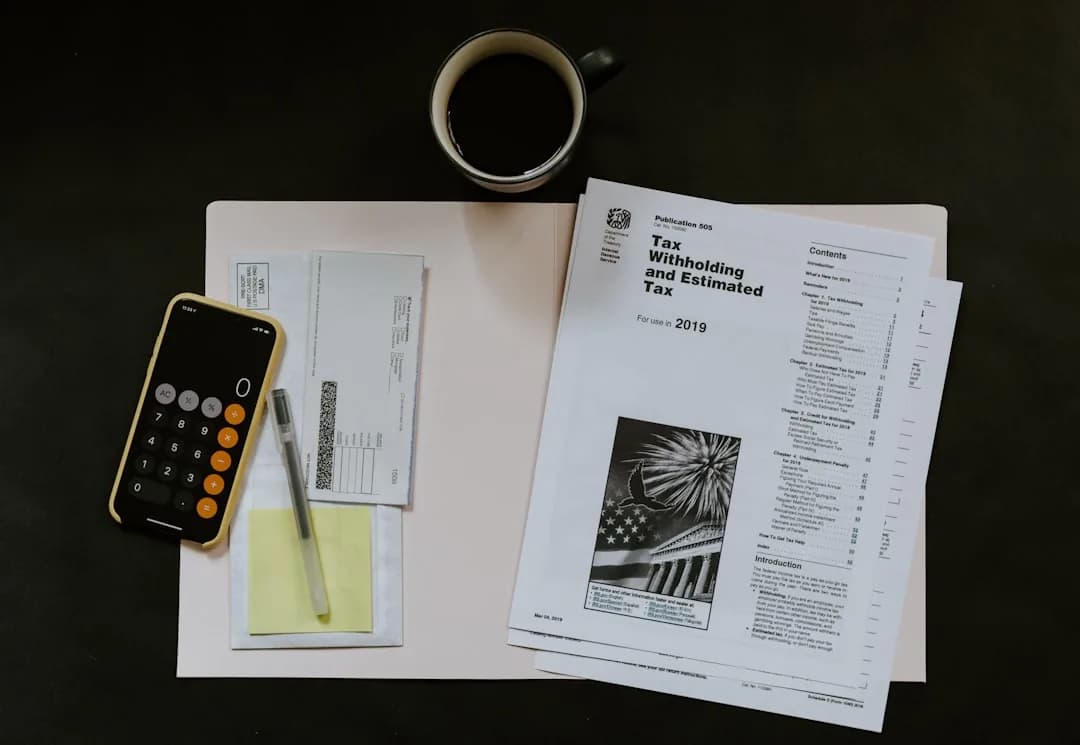
Unlock the real tax savings your business is entitled to, here's your full guide.
Many directors miss out on legitimate company expense claims that could reduce their tax bill dramatically. In this guide, we show you the smartest allowable expenses your limited company can claim today, explained simply.
What Are Allowable Expenses?
Allowable expenses are costs a limited company incurs wholly and exclusively for business purposes, such as use of home as office, business travel, equipment, software, insurance and training. Claiming them reduces the company’s taxable profit and therefore its Corporation Tax bill, which for 2026/27 starts at the 19% small profits rate (per HMRC).
Allowable expenses are the costs your limited company incurs wholly and exclusively for the business. Claiming these means you legally reduce your Corporation Tax bill, and keep more profit. You can check what HMRC accepts via its guidance on business expenses, and for a wider rundown see our overview of allowable expenses for a limited company.
Why It Pays to Be Smarter About Expenses
Not all expenses are created equal. Smart companies go beyond obvious costs and claim high-value, compliant expenses that HMRC fully allows. This approach protects cash flow and boosts profitability.
Key Smart Expenses You Should Be Claiming
1. Use of Home as Office
If you work from home, your limited company can reimburse a proportion of your home costs, such as rent, mortgage interest, utilities, and council tax, either using HMRC’s simplified flat rate or a detailed apportionment.
| Method | What you claim | Best for |
| HMRC flat rate | £6 per week (£312 a year), no receipts needed | Simplicity |
| Actual-cost apportionment | A fair share of real bills based on rooms used and time | Higher, evidenced claims |
Example:
Claim the £6 per week flat rate, or calculate based on actual room usage. See the HMRC simplified-expenses guidance.
2. Broadband and Mobile Costs
Where your broadband and mobile phone are used solely for business, the company can pay for them directly. For mixed personal and business use, only the business element can be claimed.
Tip:
It's cleaner for the company to own a separate business-only phone contract.
3. Equipment and Tech (iPads, Phones, Laptops)
Tech you buy for work, laptops, monitors, smartphones, can be fully claimed through your company and attract capital allowances. This reduces your taxable profits.
4. Coffee Machine and Office Perks
Small office perks like coffee machines, water coolers, or snacks help improve your working environment and employee morale, and are generally allowable expenses if reasonably incurred.
5. Business Coaching and Self-Development
Training courses that enhance your current business skills are allowable. If you’re learning something new that relates directly to your company’s activities, the cost is claimable.
Important:
Courses for new, unrelated skills (e.g., a yoga qualification) are not allowable.
6. Networking Groups and Paid Communities
Professional memberships, networking groups, and online business communities are allowable where they relate to your company’s trade.
Example:
A membership with a CFO network or entrepreneur group.
7. Business Travel and Accommodation
Travel for business purposes (excluding normal commuting), including mileage, trains, hotels, parking, and subsistence, is a fully allowable expense.
Mileage Rate:
Per HMRC’s approved mileage allowance for 2026/27, claim 55p per mile for the first 10,000 business miles in the tax year and 25p per mile thereafter (for cars and vans). See the HMRC mileage rates.
8. Office Furniture and Ergonomic Setup
Furniture bought exclusively for your business, desks, chairs, storage, is allowable. Ergonomic chairs and sit-stand desks are highly recommended for home workers too.
9. Business Insurance
Professional indemnity insurance, public liability insurance, employer's liability, all business insurances are allowable deductions against profit.
Expenses That Are Often Overlooked
- Subscriptions to industry publications
- Software for productivity (Trello, Slack, Canva)
- Cybersecurity tools (VPNs, antivirus)
- Business domain names and hosting fees
How to Track and Record Your Expenses
Good record-keeping is what makes these claims stick. For a deeper how-to, read how to track business expenses accurately and avoid the top expense tracking mistakes small business owners make.
- Keep digital receipts and invoices (scan or photo)
- Use cloud accounting software like Xero or QuickBooks
- Separate business and personal transactions
Reconcile expenses monthly
Common Mistakes to Avoid
- Claiming personal expenses disguised as business costs
- Forgetting to log mileage accurately
- Failing to apportion mixed-use items correctly
Not retaining evidence for claims
FAQs
1. Can I claim home office improvements?
Structural renovations usually aren’t claimable, but office furniture and equipment are.
2. What about business meals?
Meals with clients are not claimable, but meals during business travel are.
3. Can I claim VAT on expenses?
If you’re VAT-registered, you can usually reclaim VAT on business-related purchases.
4. How often should I review expenses?
At least quarterly, good habits prevent mistakes and missed claims.
5. What records should I keep?
Receipts, invoices, mileage logs, insurance documents, keep them all digitally organised.
If you're VAT-registered, you can usually reclaim VAT on business-related purchases.