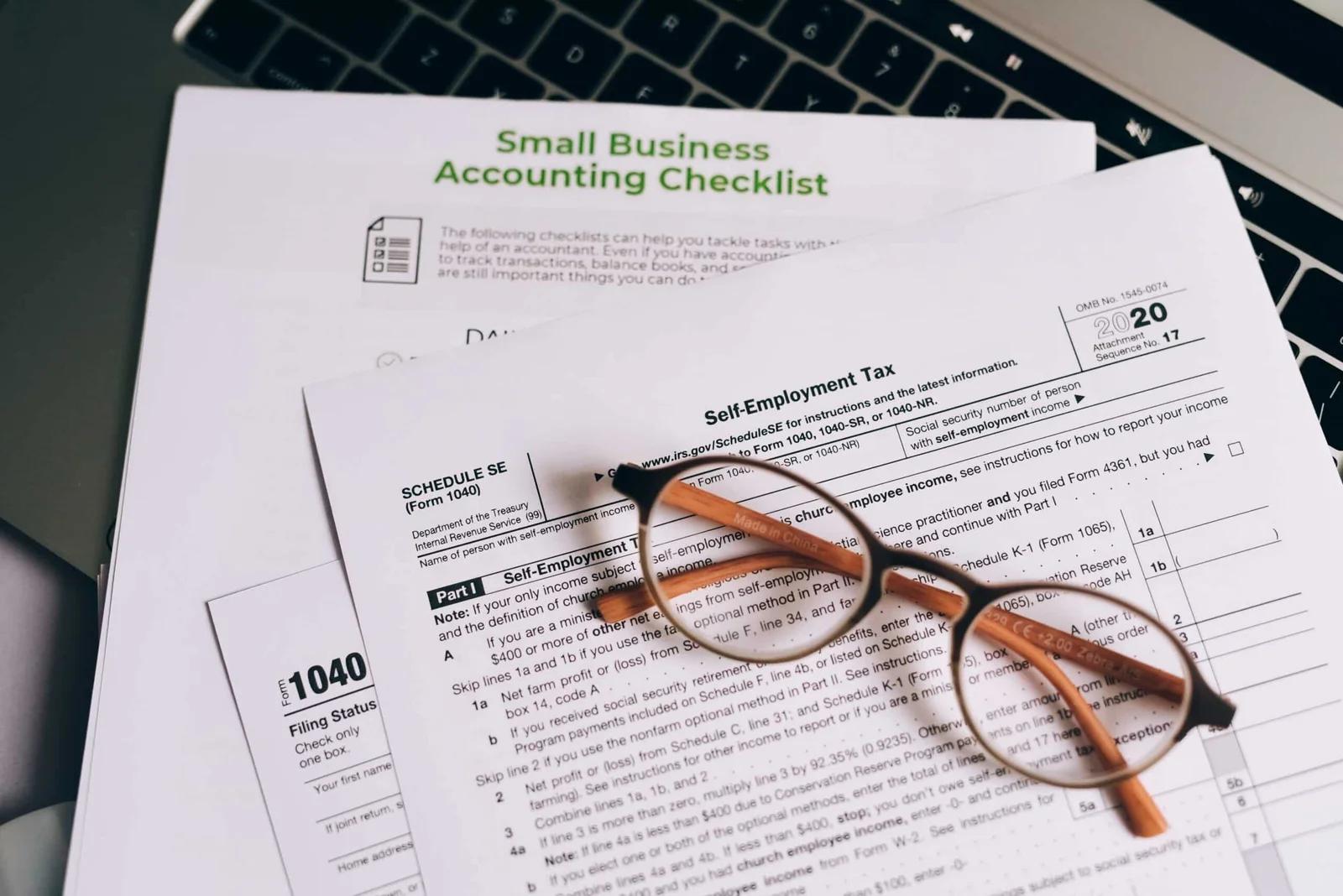
Preparing for tax season can be a daunting task, especially for small businesses.
To ease this process and ensure compliance with tax regulations, it's crucial to be well-organised and informed.
Whether you're looking for a tax accountant near you or considering professional tax services, this checklist will guide you through the essential steps to get ready for tax season.
What is on a small business tax preparation checklist?
A small business tax preparation checklist covers ten steps: organise your financial records, bring your bookkeeping up to date, identify allowable deductions, consult an accountant, gather and file the right documents, plan for tax payments, get personalised advice, use digital accounting tools, stay informed on tax law changes, and plan for the long term. Working through them in order keeps you compliant with HMRC and helps you avoid a last-minute scramble.
| Step | Action |
| 1. Organise records | Gather bank statements, invoices and receipts |
| 2. Review bookkeeping | Bring all entries up to date |
| 3. Understand deductions | Identify allowable business expenses |
| 4. Consult professionals | Get tailored advice from an accountant |
| 5. File documents | Prepare accurate, complete tax forms |
| 6. Plan for payments | Budget for what you owe and when |
1. Organise Financial Records

Before diving into the tax filing process, it’s important to have all your financial records in order. This includes bank statements, invoices, receipts, and any other documentation related to your business’s finances. Consider hiring a small business accountant or using online bookkeeping services to streamline this process.
2. Review Your Bookkeeping
Ensure that all your bookkeeping records are up to date. If you haven’t been consistent with your bookkeeping, now is the time to catch up. You can seek bookkeeping & accounting services or find a local bookkeeper near you to help with this.
3. Understand Your Deductions
Identifying potential deductions is crucial for small businesses. This may include expenses such as home office costs, travel expenses, and certain utilities, each must be incurred wholly and exclusively for the business (see HMRC's guidance on business expenses). A tax specialist near you or a small business tax consultant can provide personalised advice on which deductions you're eligible for. For a head start, read our guides on allowable expenses for limited companies and the expenses small business owners forget to claim.
4. Consult with Accounting Professionals
For a more comprehensive approach, consider consulting with accounting firms near you. Accounting professionals can offer a range of services, from financial accounting advice to specific guidance on accounting services for small businesses.
5. Gather and File Necessary Documents
Prepare all necessary tax forms, such as your income statement and balance sheet. Small business tax specialists can assist in ensuring that all relevant documents are accurately prepared and filed.
6. Plan for Estimated Taxes
If applicable, plan for your estimated taxes. An accounting consultant or a professional accountancy service can help you estimate what you owe and when it's due.
7. Seek Personalised Advice
For tailored advice, consider finding a personal accountant near you or a property tax specialist, especially if your business involves real estate. They can provide insights specific to your industry and local tax laws.
8. Utilise Digital Accounting Services
In today’s digital age, utilising online accounting services can be a time-efficient way to manage your tax preparation. Look for reputable accounting and bookkeeping services online that cater to small businesses.
9. Stay Informed on Tax Law Changes
Tax laws can change yearly, and staying informed is crucial. A local tax specialist or the nearest tax consultant can help you understand how these changes might affect your small business, and following trusted sources keeps you current, our roundup of the accounting blogs worth following in 2025 is a good place to start.
10. Consider Long-Term Tax Planning
Finally, don't just focus on the immediate tax season. Engage with a professional tax service near you for long-term tax planning. This will help ensure that your business is not only tax-compliant but also tax-efficient
As you prepare for the upcoming tax season, remember that thorough preparation and expert guidance are key to a smooth and successful filing.
If you need help and assistance, contact us!
Proper tax planning today can lead to better financial health for your business tomorrow.
FAQs
When should I start preparing my small business taxes?
Start as early in the tax year as you can rather than waiting for the deadline. Keeping records up to date little and often, reconciling bank statements, filing receipts and reviewing bookkeeping each month, means tax season is a quick review rather than a stressful scramble.
Do I need an accountant to file my small business taxes?
You are not legally required to use one, but an accountant helps you claim every allowable deduction, file accurately and stay compliant with HMRC, which usually saves more than the fee. They are especially valuable if your affairs involve a limited company, property or VAT.
How long should I keep my business tax records?
HMRC requires most businesses to keep their records for at least six years from the end of the relevant accounting period. Storing receipts and statements digitally makes them easy to retrieve and back up.
Proper tax planning today can lead to better financial health for your business tomorrow.