New rules mean banks must share your National Insurance number with HMRC from April 2027. Here's what changes for savers and the self-employed.
From April 2027 HMRC will require banks and building societies to report savers' National Insurance numbers alongside the interest they pay, so any amount above your personal savings allowance is matched to your tax record automatically. Around 2.64 million savers already pay tax on savings, and the new system will catch many more.
What is the HMRC tax crackdown on savings accounts?
HMRC is introducing tougher measures to ensure savers pay the correct amount of tax on interest earned from their savings accounts. The crackdown, approved by Chancellor Rachel Reeves, targets anyone who exceeds their personal savings allowance but fails to pay the right amount of tax.
From April 2027, banks and building societies will be legally required to provide HMRC with savers' National Insurance numbers. This might sound like a small change, but it's actually a game-changer for tax collection.
Right now, HMRC already receives information about how much interest you earn. The problem? Around 20 per cent of the data they receive is unreadable or cannot be matched to individual taxpayer records. That means thousands of savers are slipping through the cracks, either by accident or design.
By collecting National Insurance numbers directly from your bank, HMRC will be able to match savings interest to your tax record with pinpoint accuracy. No more data mismatches, no more excuses.
The new rules will apply to both new and existing customers with traditional savings accounts. However, they won't affect current accounts or tax-free savings like Individual Savings Accounts (ISAs). If you're holding money in an ISA, you can breathe easy.
How does HMRC collect tax on savings interest currently?
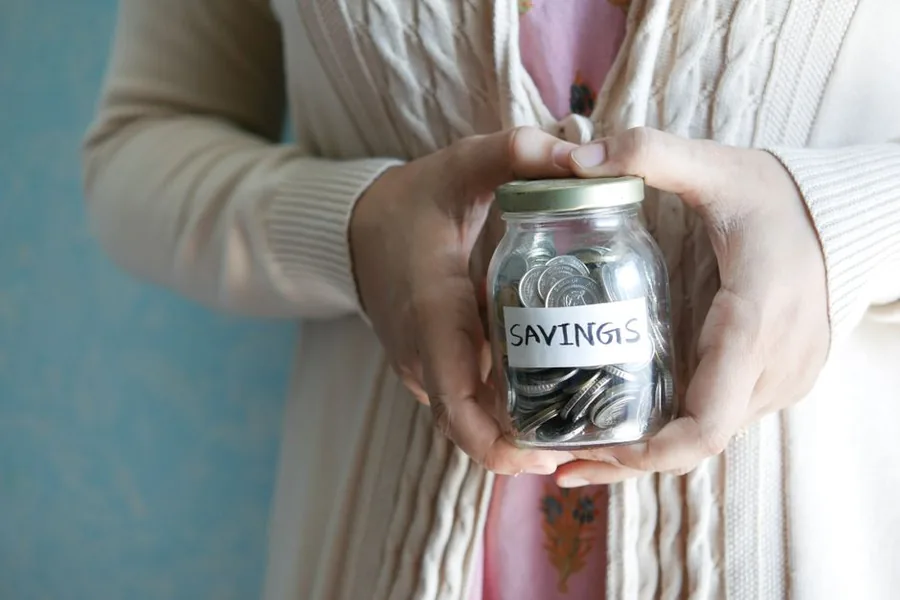
At the moment, banks and building societies are required to share information about the interest you earn with HMRC. This happens automatically in the background, so most savers don't even realise it's going on.
The issue is that the data often arrives incomplete or in a format that can't be easily matched to individual taxpayers. When HMRC can't verify who earned what, they struggle to collect the correct amount of tax.
If you're employed and you owe tax on your savings interest, HMRC usually adjusts your tax code and collects what's owed through PAYE. It's deducted directly from your salary, so you might not even notice it happening.
But if you're self-employed, retired, or don't pay tax through PAYE, you're responsible for declaring savings interest on your Self Assessment tax return. And that's where things can go wrong. Forget to include it, underestimate the amount, or simply misunderstand the rules, and you could end up with a penalty or an unexpected bill.
An HMRC spokesperson told Moneyweek that the upcoming changes will "make it easier for customers to get their tax right first time" and "prevent error and fraud." Translation: they're tightening the net.
What changes are coming in April 2027?
The new rules are expected to come into force from April 2027, although the formal legislation will be introduced during 2026. Once live, every bank and building society operating in the UK will need to collect and share National Insurance numbers for customers with savings accounts.
This applies to anyone with a traditional savings account, whether you've had it for years or you're opening a new one tomorrow. The only accounts excluded are current accounts and tax-free savings like ISAs.
What does this mean in practice? HMRC will be able to see exactly who's earning what in savings interest, right down to the penny. If you go over your personal savings allowance, they'll know. And if you don't declare it properly on your tax return, they'll know that too.
For most people, this won't change much day to day. But it does mean you need to be more careful about tracking your savings interest, especially if you're close to breaching your allowance.
Do I have to notify HMRC of savings interest?
Yes, if you're self-employed or complete a Self Assessment tax return for any reason, you must declare all savings interest you've earned during the tax year. This is already a legal requirement, and it won't change under the new rules.
What will change is how easy it is for HMRC to spot when you've got it wrong. With better data matching, they'll be able to cross-reference what your bank reports with what you've declared on your return. Any discrepancies will stand out immediately.
If you pay tax through PAYE and you owe tax on savings interest, HMRC will usually collect it by adjusting your tax code. You don't need to notify them separately, as they'll handle it automatically once your bank shares the information.
However, if you're not sure whether you need to pay tax on your savings, it's always worth checking. You can use HMRC's guidance on tax-free interest on savings to work out whether you've exceeded your allowance and how much you might owe.
How much is the personal savings allowance in the UK?
The personal savings allowance is £1,000 for basic rate (20%) taxpayers, £500 for higher rate (40%) taxpayers and £0 for additional rate (45%) taxpayers, per HMRC. Any interest above your allowance is taxed at your usual income tax rate. ISA interest sits outside this allowance and is always tax-free.
Your personal savings allowance depends on the income tax band you fall into. Here's how it breaks down for the 2025/26 tax year:
Tax band | Personal savings allowance (2025/26) | Tax on interest above the allowance |
Basic rate (20%) | £1,000 | 20% |
Higher rate (40%) | £500 | 40% |
Additional rate (45%) | £0 | 45% |
Basic rate taxpayers (20%): You can earn up to £1,000 in savings interest each year without paying tax on it.
Higher rate taxpayers (40%): Your allowance drops to £500 per year.
Additional rate taxpayers (45%): You have no personal savings allowance at all. Every penny of interest you earn is taxable.
If you earn interest above your allowance, you'll pay tax on the excess at your usual rate of income tax. For example, if you're a basic rate taxpayer and you earn £1,200 in interest, you'll pay 20% tax on the extra £200, which works out to £40.
It's worth noting that your personal savings allowance sits within your overall personal allowance of £12,570. If you're a non-taxpayer and your total income (including savings interest) stays below this threshold, you won't pay any tax at all.
For detailed guidance on how this works, you can read more about applying tax-free interest on savings on the official HMRC website.
What does this mean if you're self-employed?
If you're self-employed, you're already required to include all savings interest on your annual Self Assessment tax return. That's not changing. What is changing is how closely HMRC will be watching.
Under the new system, HMRC will receive your National Insurance number alongside your savings interest data directly from your bank. This makes it incredibly easy for them to check whether what you've declared matches what they've been told by your financial institutions.
Get it wrong, and you could face penalties. Even an honest mistake could result in a bill or a fine if HMRC believes you've underpaid. The stakes are higher now, so accuracy matters more than ever.
On the flip side, if you're employed and pay tax through PAYE, the new rules could actually simplify things. HMRC will be able to collect any tax you owe on savings interest directly through your payslip, meaning fewer people will need to file a Self Assessment tax return at all.
How much will the crackdown cost to implement?
This isn't a cheap project. According to media reports, the changes are estimated to cost HMRC around £35 million to implement. Banks and building societies are also facing high costs, with some estimates suggesting each institution could spend up to £10 million adapting its systems. The whole process could take years to roll out fully.
HMRC is banking on recouping these costs through increased tax receipts. According to data from AJ Bell, around 2.64 million savers are projected to pay tax on their savings in 2025/26, up from 2.52 million in 2024/25 (data from AJ Bell). With better data matching, HMRC expects to collect even more.
Analysis from Paragon Bank shows that savers are set to earn around £20 billion in interest from traditional savings accounts this year. Of that, approximately £6 billion will be owed in tax to HMRC. That's a significant chunk of revenue, and HMRC wants to make sure they get every penny.
What are the upcoming 2027 tax rate changes on savings interest?
From April 2027, tax on savings interest above your allowance rises by 2 percentage points across the board: basic rate to 22%, higher rate to 42% and additional rate to 47%, per gov.uk. Combined with the new National Insurance number reporting, savers face both tougher collection and higher rates at once.
Here's something many savers don't realise yet: from April 2027, the tax rates on savings interest are going up across the board. These changes were announced separately from the crackdown but will take effect at the same time.
Starting in the 2027/28 tax year, tax rates on savings interest will increase by 2% for all taxpayers:
Basic rate taxpayers: Will pay 22% tax on savings interest (up from 20%)
Higher rate taxpayers: Will pay 42% tax on savings interest (up from 40%)
Additional rate taxpayers: Will pay 47% tax on savings interest (up from 45%)
This means if you exceed your personal savings allowance, you'll be paying even more tax than you would today. Combined with the new HMRC crackdown, it's a double whammy for savers. The same April 2027 reform also lifts property income rates, which we cover in our guide to the England tax rates and thresholds for 2026.
For example, if you're a basic rate taxpayer who earns £1,500 in savings interest in 2027/28, you'll have £500 over your £1,000 allowance. At the new 22% rate, you'll owe £110 in tax instead of the current £100.
It might not sound like much, but it adds up quickly if you have significant savings. Financial expert Martin Lewis has repeatedly warned savers to make the most of ISAs and other tax-free options before these changes kick in. The increases are set out in the government's changes to tax rates for savings income.
How can I avoid paying tax on my savings interest?
The simplest way to avoid paying tax on your savings is to use tax-free savings options. Here are your best bets:
Individual Savings Accounts (ISAs): You can save up to £20,000 per tax year in an ISA completely tax-free. Any interest you earn is yours to keep, and you don't need to declare it to HMRC. With the new tax rates kicking in from 2027, moving money into an ISA before April is one of the smartest moves you can make.
Premium Bonds: These are another tax-free option. Instead of earning interest, you're entered into a monthly prize draw. Any winnings are tax-free, and you can hold up to £50,000 in Premium Bonds.
Split your savings strategically: If you're married or in a civil partnership, consider spreading your savings between you and your partner to maximise your combined personal savings allowances. This is perfectly legal and could save you hundreds in tax each year.
Use your spouse's allowance: If one partner is a non-taxpayer or basic rate taxpayer and the other is a higher rate taxpayer, moving savings into the lower earner's name can make a real difference.
It's also worth keeping an eye on your tax band. In the last five years alone, an extra 300,000 people have been pulled into paying tax on their savings interest, according to Nottingham Building Society. Why? Frozen tax thresholds mean more people are being dragged into higher tax bands, reducing their personal savings allowances in the process.
With interest rates still relatively high and the new HMRC crackdown coming, now is the time to review your savings strategy. Don't wait until 2027 to act.
What happens if I'm paying tax on savings when retired?
If you're retired and relying on savings interest as part of your income, the new HMRC rules could have a real impact on your finances. Retirees often hold larger savings pots, which means they're more likely to exceed their personal savings allowance.
If you're a basic rate taxpayer in retirement, you can still earn up to £1,000 in interest tax-free in 2025/26. But if your total income pushes you into the higher rate band, that allowance drops to £500. And remember, from April 2027, the tax rate on any excess will jump to 42%.
The good news is that if your total income (including savings interest and pension) stays below the personal allowance of £12,570, you won't pay any tax at all. But once you cross that threshold, HMRC will start collecting.
Under the new system, HMRC will be able to track your savings interest more accurately, so it's important to declare everything correctly. If you're completing a Self Assessment, make sure you include all interest earned, even if it's from multiple accounts.
Many retirees are now looking at ISAs as a way to protect their savings. If you haven't maxed out your £20,000 ISA allowance yet, it's worth considering a transfer before the new rules take effect.
Real world example: How much tax will I actually pay?
Let's look at a practical example to show how the tax works in real life.
Scenario 1: Basic rate taxpayer with £20,000 in savings
You have £20,000 in a traditional savings account earning 5% interest. Over the year, you'll earn £1,000 in interest.
Because you're a basic rate taxpayer, your personal savings allowance is £1,000. This means you won't pay any tax at all. Your full £1,000 is tax-free.
Scenario 2: Basic rate taxpayer with £25,000 in savings
You have £25,000 in a traditional savings account earning 5% interest. Over the year, you'll earn £1,250 in interest.
Your personal savings allowance is still £1,000, so you have £250 over the limit. In the 2025/26 tax year, you'll pay 20% tax on that £250, which works out to £50.
From April 2027, with the new 22% rate, you'd pay £55 instead.
Scenario 3: Higher rate taxpayer with £25,000 in savings
Same savings pot, same 5% interest, earning £1,250. But as a higher rate taxpayer, your personal savings allowance is only £500.
That means you have £750 over the limit. In 2025/26, you'll pay 40% tax on that £750, which is £300.
From April 2027, at the new 42% rate, you'd pay £315.
The ISA alternative:
If you'd put that £25,000 into an ISA instead, you'd pay zero tax on the interest. Every penny of that £1,250 would be yours to keep, regardless of your tax band.
This is why financial advisers are urging savers to use their ISA allowances now, before the new rules and higher tax rates kick in.
Frequently Asked Questions
Do I have to pay tax on my savings in the UK?
It depends on how much interest you earn and which tax band you're in. Basic rate taxpayers can earn up to £1,000 in interest tax-free in 2025/26, higher rate taxpayers get £500, and additional rate taxpayers have no allowance at all. If you earn more than your allowance, you'll pay tax on the excess at your usual rate.
How does HMRC collect tax on savings interest?
If you're employed, HMRC usually adjusts your tax code and collects what you owe through PAYE. If you're self-employed or complete a Self Assessment, you need to declare savings interest on your tax return and pay any tax owed directly.
Do I need to notify HMRC of savings interest?
Only if you complete a Self Assessment tax return. If you pay tax through PAYE, HMRC will usually handle it automatically by adjusting your tax code once your bank reports your interest.
When does the new HMRC savings tax crackdown start?
The new rules are expected to come into force from April 2027, with formal legislation being introduced during 2026.
What did Martin Lewis say about tax on savings interest?
Martin Lewis has regularly highlighted how frozen tax thresholds are pulling more people into paying tax on savings. He recommends using ISAs and Premium Bonds to protect your savings from tax wherever possible, especially with the 2027 tax rate increases coming.
Can I use a tax on savings interest calculator?
Yes, HMRC offers a free online calculator to help you work out whether you've exceeded your personal savings allowance and how much tax you might owe. You can access it through the HMRC website.
How do I pay tax on savings interest if I'm self-employed?
You declare all savings interest on your Self Assessment tax return and pay any tax owed as part of your overall tax bill. The new HMRC rules will make it easier for them to check you've declared the correct amount.
Will ISAs be affected by the HMRC crackdown?
No. ISAs are tax-free savings accounts and are not affected by the new rules. You can save up to £20,000 per year in an ISA without paying any tax on the interest, and the money is completely protected from both the crackdown and the 2027 tax rate increases.
How many people pay tax on savings interest in the UK?
According to data from AJ Bell, around 2.64 million savers are projected to pay tax on their savings in 2025/26, up from 2.52 million the previous year. This number is expected to rise further under the new HMRC rules.
What are the new tax rates on savings interest from April 2027?
From April 2027, tax rates on savings interest will increase by 2% across all bands. Basic rate taxpayers will pay 22% (up from 20%), higher rate taxpayers will pay 42% (up from 40%), and additional rate taxpayers will pay 47% (up from 45%).