If you childmind from your own home, you've probably wondered how on earth you're meant to keep a receipt for every snack, every splash of bathwater and every degree of heating the children use. The good news is you mostly don't have to.
HMRC has long run a special arrangement for childminders that lets you estimate food and use a set percentage of your household bills, without hoarding receipts for the small stuff. It's one of the most generous bits of the tax system for early-years carers.
But there's a catch you need to know about for the years ahead. From the point you join Making Tax Digital for Income Tax, those shortcuts go away and you switch to claiming actual costs. This guide covers both, so you can claim correctly now and plan for the change.
It's written for sole-trader childminders registered with Ofsted (or the equivalent in your nation). If you employ an assistant or work through a company, the picture shifts, and we can help with that separately.
How do childminders claim food and household costs?
HMRC lets eligible childminders use an agreed set of shortcuts instead of itemising every cost: an estimate for the food and drink you give the children, fixed percentages of your household running and fixed costs based on the hours you work, and a flat 10% of your income for wear and tear. These shortcuts apply until you join Making Tax Digital for Income Tax, after which you claim actual apportioned costs instead.
These rules sit in HMRC's published guidance, Claiming expenses and keeping records if you're a childminder, and in its internal manual at BIM52751. They exist because childminding happens inside your own home and overlaps constantly with family life, so splitting every cost down to the penny would be impractical for everyone.
Two things are worth saying up front. First, these are concessions for childminders specifically, not general self-employment rules, so you can't lift them across to another trade. Second, the guidance changed on 18 March 2026 to carve out childminders who are inside Making Tax Digital, which we cover in full below.
Do childminders need receipts for food?
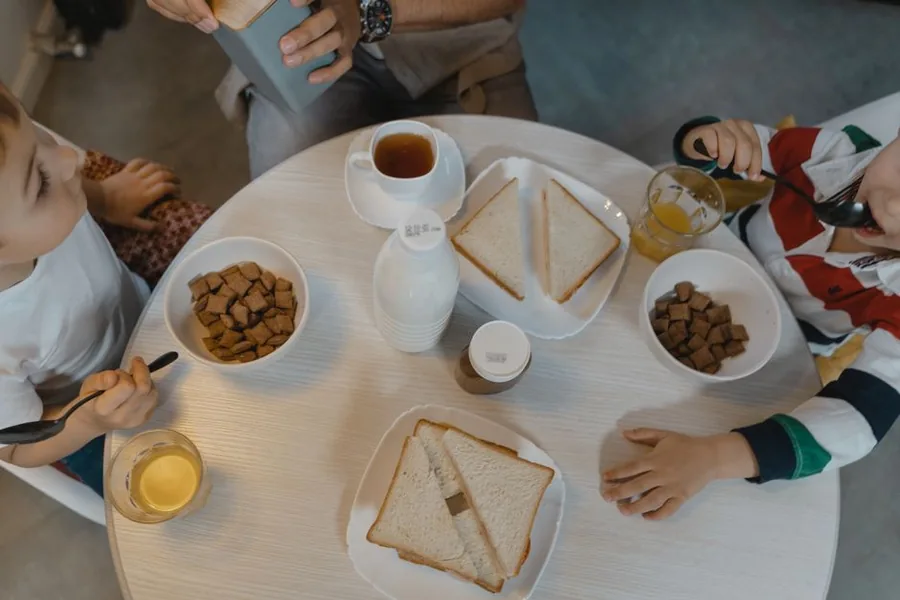
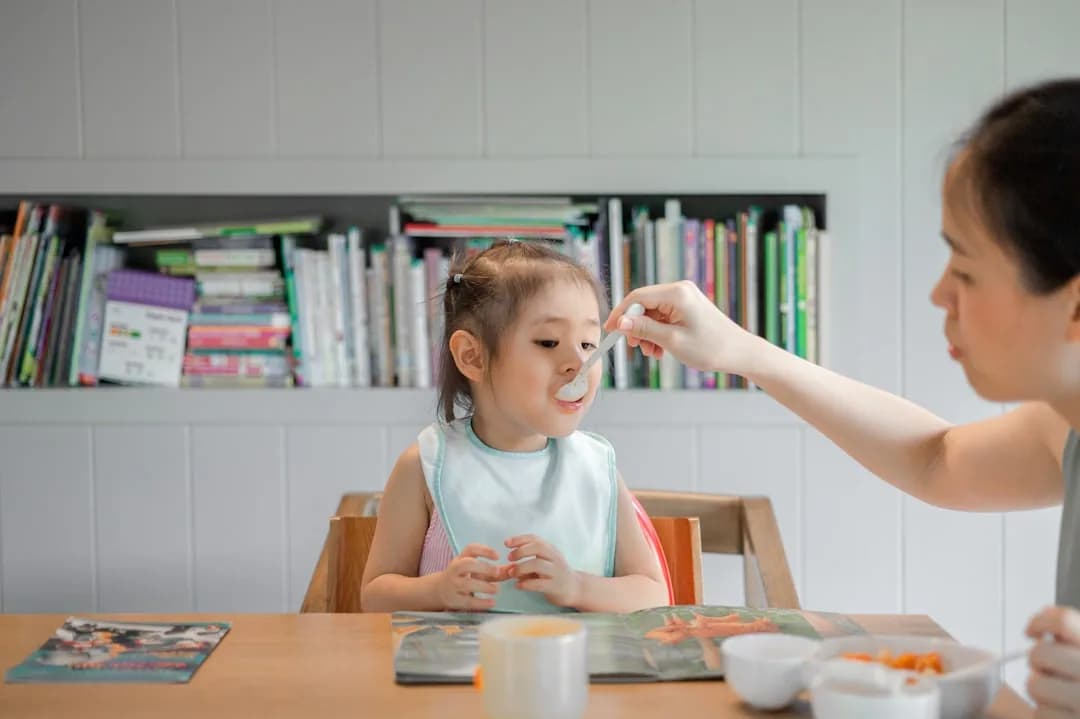
No. HMRC's guidance is explicit: "You do not need to keep receipts for food and drink you provide to the children you care for." You claim a reasonable estimate of what you spend feeding them.
The word that matters is reasonable. Your estimate should reflect the ages of the children, the hours they're with you, and how many meals and snacks you actually provide. A toddler with you full time eating breakfast, lunch, tea and snacks costs more to feed than a school-age child you have for an hour after school. Keep a short note of how you worked your figure out so you can stand behind it if asked.
This food estimate is separate from your household bills and from wear and tear. It's purely the cost of feeding the children in your care, and you can't claim for feeding your own family.
What about other small purchases?
For everything that isn't the children's food and drink, there's a light-touch receipt rule rather than a no-receipt rule. HMRC says "You do not need to keep receipts for individual items that cost less than £10," but you should keep receipts for items costing £10 or more.
So a £4 pack of crayons or a £6 craft kit doesn't need a receipt, but a £25 toy or a £40 stair gate does. Don't split one larger purchase into smaller slips to dodge the rule; if you buy several things at once and they come to £10 or more together, keep the receipt.
How much of my household bills can I claim?
If you're not yet in Making Tax Digital, you claim a percentage of your household running costs and fixed costs based on the hours per week you childmind. A full-time childminder working 40 or more hours a week claims the top rate; fewer hours mean a smaller percentage.
HMRC splits your home costs into two pots:
- Running costs are the bills that go up and down with use, such as gas, electricity, and water if you're on a meter.
- Fixed costs are the standing costs, such as Council Tax, water rates if you're not metered, and rent or mortgage interest.
The agreed percentages are set out in HMRC's guidance and apply to the hours you work, not the number of children you look after. At 40 or more hours a week you claim 33% of running costs and 10% of fixed costs. Below that, you scale it down.
| Hours worked per week | Running costs claimable | Fixed costs claimable |
|---|---|---|
| 10 | 9% | 3% |
| 15 | 13% | 4% |
| 20 | 17% | 5% |
| 25 | 21% | 7% |
| 30 | 25% | 8% |
| 35 | 29% | 9% |
| 40 or more (full time) | 33% | 10% |
For hours that fall between the rows, HMRC's guidance lets you work it out pro-rata: running costs are (your hours divided by 40, times 33), and fixed costs are (your hours divided by 4), each rounded up. These percentages and the hours basis come straight from HMRC's childminder guidance and BIM52751.
What is the 10% wear-and-tear allowance?
The wear-and-tear allowance is a flat deduction to cover the gradual wearing out of the furniture and household items the children use, such as sofas, carpets, cots and toys that aren't bought solely for the business.
HMRC's guidance lets a childminder who is not in Making Tax Digital "claim 10% of your income from caring for children in your own home for wear and tear of your household items and furniture." Note that it's 10% of your childminding income, not 10% of the value of your furniture.
It's a single, simple figure that saves you tracking the depreciation of everything in the house. Like the food estimate and the household percentages, it's a childminder-specific shortcut, and it's one of the items that goes away once you're inside Making Tax Digital.
What changes under Making Tax Digital from April 2026?
This is the part to read carefully, because it's a genuine change and the timing depends on your income.
On 18 March 2026 HMRC updated its childminder guidance to confirm that the bespoke shortcuts do not apply to childminders within Making Tax Digital for Income Tax. The guidance now states that from April 2026 it "does not apply to childminders within MTD," and that those affected must "follow the rules for expenses and record-keeping that apply to all other businesses, and not use the alternative methods."
In plain terms, once you're in Making Tax Digital you lose the hours-based household percentages, the flat 10% wear-and-tear allowance, and the food estimate. Instead you claim the actual amounts you spend, apportioned for business use. For food, that means claiming what you actually spend on the children's food and drink, splitting any shared household items. For your home, it means a reasonable apportionment of your real bills.
You'll also need to keep digital records and report quarterly through compatible software, rather than the lighter record-keeping the concession allowed.
When does this affect me?
Making Tax Digital for Income Tax is being phased in by income level. Your qualifying income is your combined gross self-employment and property income, so for most childminders it's essentially your gross childminding income before expenses.
| Phase | You join from | If qualifying income is over | Based on the tax year |
|---|---|---|---|
| Phase 1 | 6 April 2026 | £50,000 | 2024/25 |
| Phase 2 | 6 April 2027 | £30,000 | 2025/26 |
| Phase 3 | 6 April 2028 | £20,000 | 2026/27 |
These thresholds and dates are from HMRC's Making Tax Digital for Income Tax guidance. The income figures are gross, so a childminder turning over, say, £24,000 before expenses would fall into the £20,000 phase from April 2028, even though their taxable profit is far lower.
If your income stays below £20,000, you're not currently mandated into Making Tax Digital at all, and you can keep using the childminder shortcuts. For a deeper look at the timeline and what replaces the shortcuts, see our guide to childminder Making Tax Digital from April 2026.
Illustrative example: a full-time childminder's claim
Illustrative example. Sophie is a full-time childminder working 45 hours a week from her own home in the 2025/26 tax year. She is not in Making Tax Digital. Her childminding income for the year is £22,000. Her annual household bills are £2,400 of running costs (gas, electricity, metered water) and £3,000 of fixed costs (Council Tax, rent). She estimates she spends £1,800 feeding the children.
Because she works 40 or more hours a week, she uses the full-time percentages.
| Expense | Basis | Calculation | Claim |
|---|---|---|---|
| Running costs | 33% | £2,400 x 33% | £792 |
| Fixed costs | 10% | £3,000 x 10% | £300 |
| Wear and tear | 10% of income | £22,000 x 10% | £2,200 |
| Food and drink | Estimate | as estimated | £1,800 |
| Total from these items | £5,092 |
So from food, household and wear-and-tear alone, Sophie claims £5,092, on top of her other allowable costs such as toys, insurance and her membership subscription. None of the food, and none of the small items under £10, needs a receipt.
The arithmetic: £792 plus £300 plus £2,200 plus £1,800 equals £5,092.
If Sophie's income later pushes her into Making Tax Digital, she would instead claim the actual apportioned cost of those same bills and the children's food, and the £2,200 wear-and-tear figure would no longer be available.
Should I use the £1,000 trading allowance instead?
If your childminding income is very small, the trading allowance can be simpler than claiming expenses at all. The trading allowance is £1,000 of gross income per tax year.
HMRC's guidance puts it plainly: if your annual gross trading income is £1,000 or less, you may not have to tell HMRC about it at all. If your gross income is more than £1,000, you can choose to deduct the £1,000 allowance instead of your actual expenses, but not both. You can read the rules on tax-free allowances for trading income.
In practice, almost no working childminder is better off with the £1,000 allowance, because the food, household and wear-and-tear claims usually come to far more than £1,000, as Sophie's example shows. The allowance mainly helps someone doing a tiny amount of casual childminding. If you're claiming expenses, claim them properly.
Want a second pair of eyes on your numbers? Our self-assessment service handles childminder returns, and our self-employed tax calculator gives you a quick estimate of what you'll owe.
Frequently asked questions
Do childminders really not need receipts for food?
Correct, for the children's food and drink. HMRC's guidance says you don't need to keep receipts for the food and drink you provide to the children you care for; you claim a reasonable estimate instead. This only applies while you're outside Making Tax Digital. Once you're in, you claim the actual amounts you spend.
Can I claim a percentage of my rent or mortgage as a childminder?
Yes, within the agreed scheme. Rent and mortgage interest count as fixed costs, so a full-time childminder outside Making Tax Digital can claim 10% of them, scaled down for fewer hours. You can claim mortgage interest but not the capital repayment part of the mortgage.
Is the 10% wear-and-tear allowance being scrapped?
It's being withdrawn for childminders inside Making Tax Digital for Income Tax, following HMRC's 18 March 2026 guidance update. If you're not yet in Making Tax Digital, you can still claim 10% of your childminding income for wear and tear. Once you join, you claim the actual apportioned cost of household items instead.
How do I know if I have to join Making Tax Digital?
It depends on your gross income from self-employment and property combined. You join from April 2026 if that income is over £50,000, from April 2027 if it's over £30,000, and from April 2028 if it's over £20,000. For most childminders this is your gross childminding income before expenses, not your profit.
Can I claim for feeding my own children too?
No. The food estimate covers only the food and drink you provide to the children you're paid to care for. Your own family's food is a personal cost and isn't allowable.
What records should I keep if I'm using the shortcuts?
Keep a record of your childminding income, your hours worked each week, your household bills, and a short note showing how you arrived at your food estimate. Keep receipts for any single item or shopping trip costing £10 or more. Good records make your return quick and defensible, and they make the eventual move to digital record-keeping far easier.
Book a free Tax Health Check →
Talk to a childminder accountant
Childminder tax has its own rulebook, and it's mid-change as Making Tax Digital rolls out. If you'd like help claiming your food, household and use-of-home costs correctly, or planning for the switch to actual costs, Zmartly can help.
Learn more on our accountant for childminders page, or book a free 20-minute call to talk through your situation.