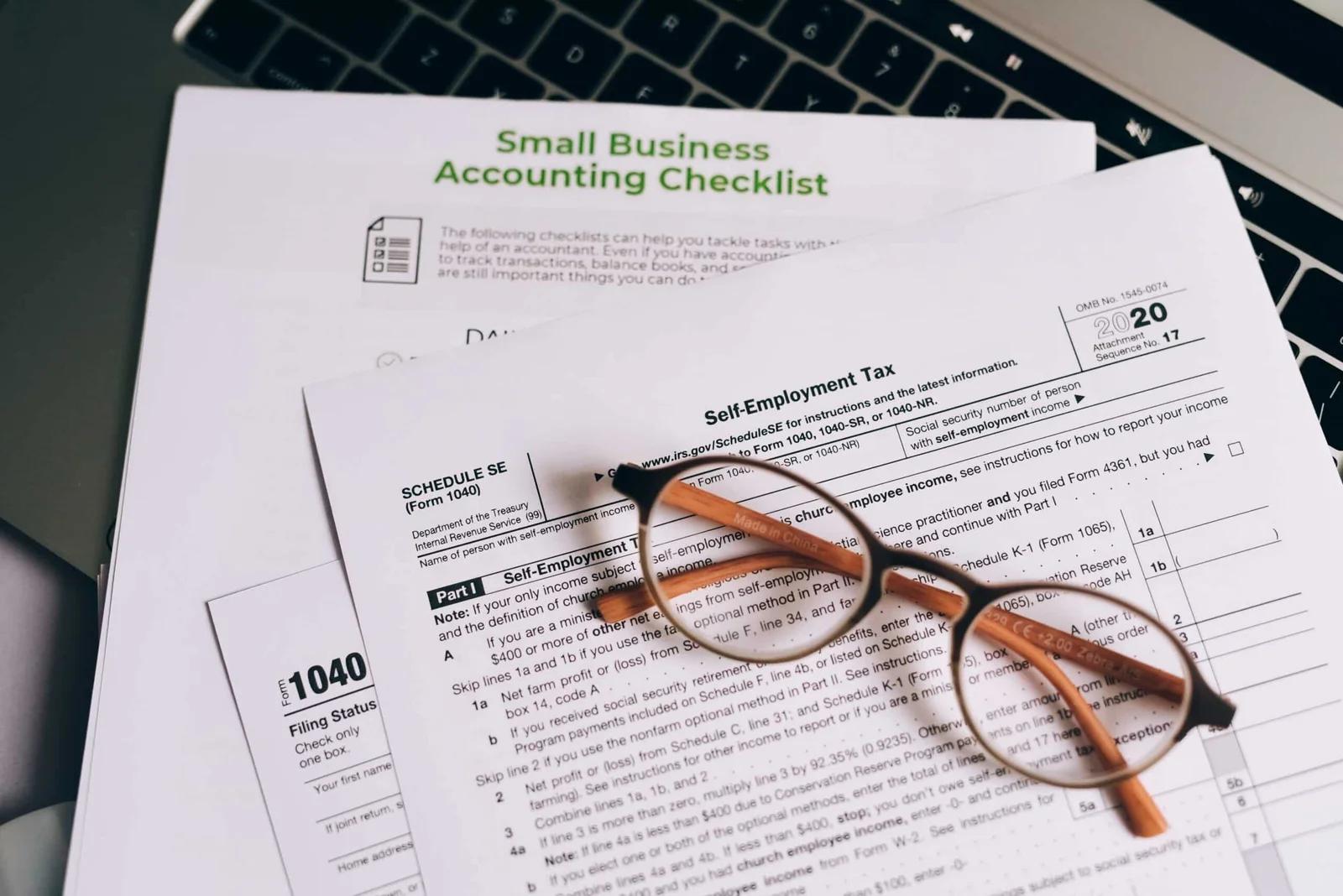
The cheapest mistake is the one you catch before you've spent the money. Plenty of good ideas die not because they were bad, but because nobody checked the boring stuff first: was there real demand, did the numbers work, and could the founder survive the months before revenue showed up. Stress-testing isn't about killing your enthusiasm. It's about finding the cracks while they're still cheap to fix.
Here are 10 concrete ways to pressure-test a business idea in the UK before you commit serious money, time or both.
1. Prove the problem before you fall in love with the solution
Founders tend to start with a clever product and work backwards to a problem. Flip it. Write down, in one sentence, the specific problem you solve and for whom. If you can't name the problem without mentioning your product, that's a warning sign.
Then ask the hard question: is this a painkiller or a vitamin? People pay reliably to remove pain (a tax deadline, a broken process, lost time). They pay erratically for "nice to have". The more acute and frequent the pain, the more defensible your idea.
2. Talk to real customers, not your friends

Friends and family will be kind, and kindness is useless data. Speak to at least 10 to 15 people who actually have the problem and don't owe you politeness.
Ask about the past, not the future
"Would you buy this?" gets you a polite yes. Instead ask what they currently do about the problem, what it costs them, and the last time it annoyed them. Past behaviour predicts future spending far better than hypothetical enthusiasm. If nobody is already spending money or effort solving the problem, your market may be smaller than it feels.
3. Test willingness to pay, not just interest
Interest is free; payment is the only honest signal. Before building anything, try to take a pre-order, a deposit, or a paid pilot. A landing page with a "buy" button that leads to a waitlist will tell you more than 100 survey responses. The moment someone reaches for their card, you've validated demand in the only currency that matters.
4. Work out your unit economics
Every sustainable business makes more on each sale than that sale costs to deliver. Strip it back to one unit: one product, one client, one job.
- Selling price per unit.
- Direct costs to deliver that unit (materials, fees, shipping, your time at a fair rate).
- Contribution = price minus direct costs.
If the contribution is thin or negative, no amount of volume saves you, it just loses money faster. Get this right before you scale anything. If you're selling online, our guide to the real cost of starting an e-commerce business walks through the hidden direct costs that erode margin.
5. Run a simple break-even calculation
Break-even tells you how many units you must sell just to cover your fixed costs, the bills that exist whether you sell anything or not (rent, software, insurance).
A worked example
Say you're launching a small product business:
- Selling price: £40 per unit
- Direct cost per unit: £25
- Contribution per unit: £40 − £25 = £15
- Fixed monthly costs: £1,500
Break-even units per month = fixed costs ÷ contribution = £1,500 ÷ £15 = 100 units a month, roughly 25 a week. Now the test becomes concrete: from your customer conversations and pricing tests, does selling 25 of these a week look plausible in your first few months? If hitting break-even needs a wildly optimistic sales rate, the idea needs reworking, not more hope.
6. Check the competition and the margins they live on
No competitors can mean no market, not a clear runway. If others are already doing this, that's often a good sign demand exists. Your job is to find a wedge: a sharper niche, better service, lower cost to serve, or a segment everyone else ignores.
Look hard at the margins in your sector too. Some industries run on wafer-thin margins where only scale survives. If incumbents are clearly struggling on price, ask whether you can structurally do it cheaper, or whether you're walking into a race to the bottom.
7. Map your cash-flow runway
Profitable businesses still die from running out of cash at the wrong moment. Before you start, work out how many months you can fund the business (and yourself) before it needs to stand on its own. That's your runway.
Add up your starting cash, subtract realistic monthly outgoings, and be honest about how slowly revenue ramps. A common founder error is assuming sales arrive in month one at full strength. Build a simple forecast and pressure-test the pessimistic case. Our deeper guide to building a startup financial model with runway and burn rate shows how to lay this out properly.
8. Get your tax and structure readiness sorted early
Tax won't make or break the idea, but getting caught out can cost you money and stress in your first year. The headline thresholds to know before you trade (2026/27):
| Threshold | 2026/27 figure | What it triggers |
|---|---|---|
| Trading allowance | £1,000 gross income | Over this, register for Self Assessment |
| VAT registration | £90,000 rolling 12-month turnover | Must register for VAT |
| Personal allowance | £12,570 | Income above this is taxed |
The trading allowance and Self Assessment
You can earn up to £1,000 of gross trading income in a tax year under the trading allowance without needing to report it. Once your gross trading income exceeds £1,000, you'll generally need to register as self-employed and file a Self Assessment return. If you're unsure, our explainer on whether you need to do a Self Assessment covers the triggers.
The VAT threshold
You must register for VAT once your taxable turnover exceeds £90,000 on a rolling 12-month basis (or if you expect to exceed it in the next 30 days). Many small founders never reach this, but if your idea scales fast, build VAT into your pricing assumptions early so it doesn't swallow your margin later.
Sole trader or limited company?
Most people start as a sole trader: simpler, less admin, and easy to set up. A limited company offers a separate legal identity and can be more tax-efficient at higher profits, but brings more filing and responsibility. There's no single right answer; it depends on your profits, risk and plans. Our comparison of being a sole trader versus a limited company helps you weigh it up. You can always start simple and incorporate later.
9. Build the smallest version that proves the idea (an MVP)
A minimum viable product is the leanest thing you can put in front of real customers to learn whether they'll buy. The point isn't to launch a polished business; it's to learn fast and cheaply.
- A service business can sell the service manually before automating anything.
- A product business can run a small batch or use print-on-demand before committing to stock.
- A software idea can start as a spreadsheet, a no-code tool, or even a "concierge" version you run by hand.
Set one clear question your MVP must answer (usually: will people pay?) and a number that means "this is working". Then ship it small.
10. Know in advance when to pivot, persevere or stop
Decide your success and failure signals before you're emotionally invested, because in the moment it's almost impossible to judge fairly. Set a checkpoint: by a certain date, you'll have run X customer conversations, taken Y pre-orders, or hit Z in sales.
If you hit those, persevere. If you're close but the problem is one fixable assumption, pivot, keep the customer and the problem, change the solution. If the demand simply isn't there after honest testing, stopping is a win, not a failure: you've saved the money you'd have lost going further.
Bringing it together
Stress-testing an idea is mostly cheap, fast and uncomfortable, which is exactly why so few founders do it properly. Validate the problem, talk to real buyers, prove willingness to pay, get the unit economics and break-even right, map your runway, and sort your tax structure before you trade. Do that, and whatever you build next stands on evidence rather than optimism.
Sources
- Register for Self Assessment, GOV.UK
- VAT registration, GOV.UK
- Corporation Tax rates, GOV.UK
- Self-employed National Insurance rates, GOV.UK
Frequently asked questions
How do I stress-test a business idea without spending money?
Start with conversations and signals rather than spend. Talk to 10 to 15 real potential customers about what they currently do and pay for, then test willingness to pay with a pre-order, deposit or paid pilot. A simple landing page and a break-even calculation will tell you whether the numbers can work before you build anything.
When do I need to register for tax if I'm just testing an idea?
You can earn up to £1,000 of gross trading income in a tax year under the trading allowance without reporting it. Once your gross trading income exceeds £1,000, you generally need to register for Self Assessment and file a tax return. Separately, you must register for VAT once your taxable turnover exceeds £90,000 on a rolling 12-month basis.
How do I calculate break-even for a new business?
Work out your contribution per unit (selling price minus direct cost per unit), then divide your fixed monthly costs by that contribution. For example, a £40 product with £25 of direct costs gives £15 contribution; £1,500 of fixed monthly costs ÷ £15 = 100 units a month to break even. If that sales rate looks unrealistic, the idea needs reworking.
Should I start as a sole trader or a limited company?
Most founders start as a sole trader because it's simpler and quicker to set up. A limited company gives you a separate legal identity and can be more tax-efficient at higher profits, but involves more filing and responsibility. There's no universal answer; it depends on your profits, risk and plans, and you can incorporate later as you grow.