Who we helpIndustry

Tradesmen accounting, handled.

Drowning in Paperwork While Your Tools Gather Dust?

Looking for an accountant for tradesmen who actually understands CIS, the VAT reverse charge and what a van really costs you at tax time? Zmartly are tradesmen accountants who live in the world of 20% CIS deductions, gross payment status and tool allowances every day, so your return is right, your refund lands fast, and you stop overpaying HMRC. You get a named, ACCA-qualified accountant on fixed monthly pricing, not a faceless call centre.

  • CIS Scheme Navigation & Deduction Recovery
  • Self-Assessment & Company Tax Returns
  • Job-by-Job Profitability Tracking
  • 4.9 Google · 63 reviews
  • ACCA-qualified
  • 30-day money-back
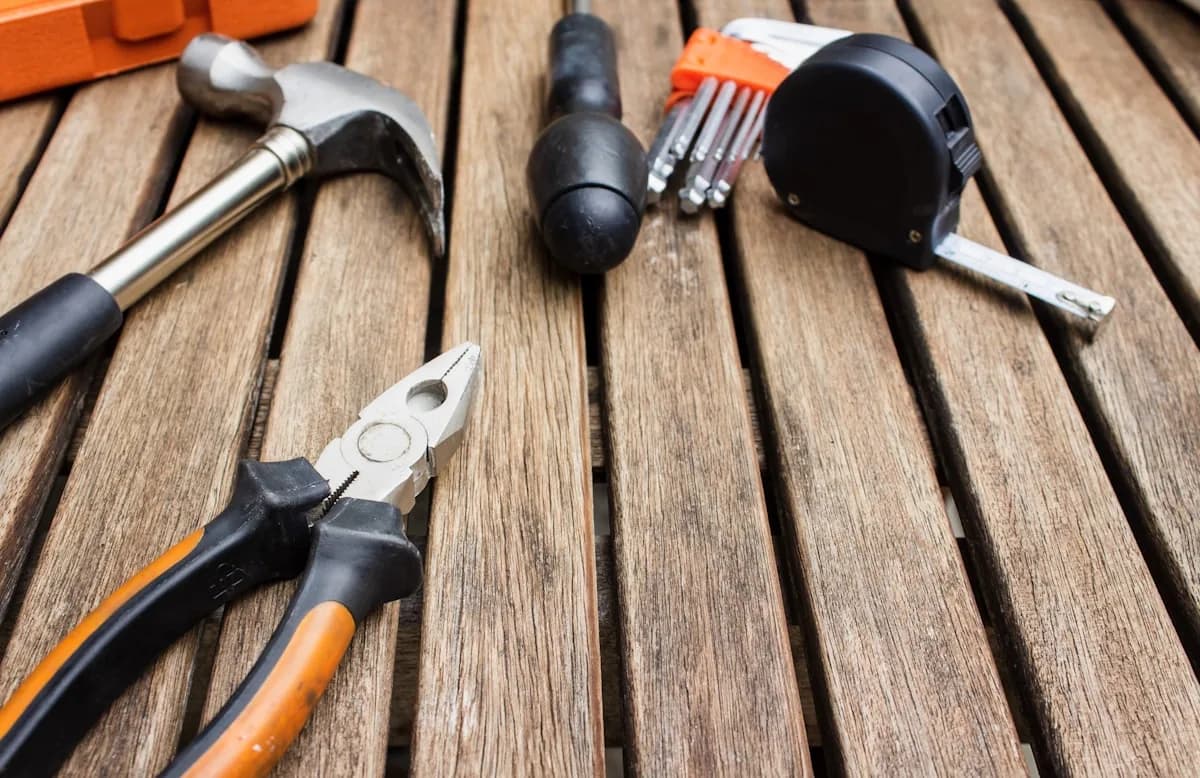
Tradesman with toolbox
Our impact

How we help tradesmen succeed.

  • 01

    Get your CIS deductions back, not lost

    If you work under the Construction Industry Scheme, contractors strip 20% off every payment (30% if you're not registered) and pay it to HMRC as an advance against your tax and National Insurance. Most sole-trader sparkies, chippies and groundworkers have overpaid by the time materials, tools, van and mileage are deducted, that's a refund. We reconcile every CIS payment statement against your accounts so the credit is claimed in full, not left sitting with HMRC.

  • 02

    Stop the VAT reverse charge wrecking your cashflow

    Since the domestic reverse charge came in, VAT-registered subbies invoicing VAT-registered contractors no longer charge VAT, the contractor accounts for it. Get the invoice wording wrong and your payments get queried or held. We set your invoicing up correctly and review whether you'd be better off out of the Flat Rate Scheme, which often costs reverse-charge traders money.

  • 03

    Claim the van, the tools and the miles properly

    A van is plant for capital-allowance purposes, full cost relievable through the Annual Investment Allowance, not the strict car rules. Tools, protective clothing, ladder/scaffold hire, public liability cover and 55p-per-mile for the first 10,000 business miles all reduce your bill. A generalist misses half of it; we don't.

  • 04

    Beat the April 2026 CIS crackdown

    From 6 April 2026 contractors must file a monthly CIS return even in months they pay nobody (nil returns), and HMRC can strip gross payment status immediately with penalties up to 30% for non-compliance. If you run a team or hold GPS, getting the returns and the £30,000 net-turnover test right now protects your cashflow. We handle the filings so you stay clean.

Tailored services

Everything you need for tradesmen.

  • 01

    CIS registration, deductions and refunds

    Whether you're a subcontractor losing 20% to deductions or a contractor who has to verify and deduct from your subbies, we run the scheme end to end: registration, monthly returns, payment-and-deduction statements, and the year-end refund reconciliation that turns those advance deductions into cash back in your account.

  • 02

    Gross Payment Status applications

    GPS lets contractors pay you in full with no 20% held back, transformational for cashflow. The bar is a £30,000 net construction turnover (per director for companies, excluding VAT and materials), plus a compliance and business test. We check you qualify, apply, and keep you onside so HMRC don't revoke it under the tougher April 2026 rules.

  • 03

    VAT: reverse charge, registration and Flat Rate

    We watch the £90,000 registration threshold, set up domestic-reverse-charge invoicing correctly, and run the numbers on the Flat Rate Scheme versus standard VAT, including the limited cost trader trap that pushes many labour-only trades onto a punishing 16.5% rate. The right choice can be worth thousands a year.

  • 04

    Capital allowances on vans, tools and equipment

    Vans, power tools, generators, welfare units and plant qualify for the Annual Investment Allowance, giving full relief in the year you buy. We apportion any private van use, handle hire-purchase correctly, and time bigger purchases to land in the most tax-efficient year for you.

  • 05

    Sole trader vs limited company review

    Many trades outgrow self-employment without realising. We model the tax across both structures, factoring CIS, dividends, the 19% small-profits Corporation Tax rate, salary level and your reverse-charge position, so you incorporate when it genuinely pays, not just because someone in the pub said so.

  • 06

    Bookkeeping, MTD and software on your phone

    Snap invoices and fuel receipts on site; we reconcile in Xero, QuickBooks, FreeAgent or Sage. With Making Tax Digital for Income Tax landing for the self-employed, we get your records compliant now so quarterly updates are a non-event, not a scramble.

How we work

Four steps from first call to filed.

  • 01

    Discovery

    Understanding your business needs.

  • 02

    Solution Design

    Crafting your custom accounting strategy.

  • 03

    Onboarding

    Quick and easy integration.

  • 04

    Regular Rhythm

    Consistent monitoring and reporting.

Trusted by leading innovators
Partner brand 1
Partner brand 2
Partner brand 3
Partner brand 4
Partner brand 5
Partner brand 6
Partner brand 7
Partner brand 8
Partner brand 9
Partner brand 10
Partner brand 11
Partner brand 12
Common questions

Frequently asked questions.

If you're registered as a CIS subcontractor, contractors deduct 20% from your labour (not materials) and pay it to HMRC as an advance against your tax and National Insurance. If you're not registered it jumps to 30%. With gross payment status you're paid in full and settle your tax at year end. Because the 20% is taken before expenses, most subbies are due a refund once we deduct tools, van, mileage and other costs.

Usually, yes. The 20% (or 30%) deducted is an advance payment, not a final tax. Once your real profit is worked out after allowable expenses, you've often overpaid, so the Self Assessment produces a refund. We reconcile every CIS payment-and-deduction statement against your contractor records to make sure the full credit is claimed and the refund isn't understated.

The domestic reverse charge applies when a VAT-registered subcontractor supplies standard or reduced-rated construction services to a VAT-registered contractor who isn't the end user. You don't charge VAT, the contractor accounts for it. Your invoice must state the reverse charge applies and show the VAT rate and amount the customer must account for. It doesn't apply if your customer is the end user, such as a domestic homeowner paying you directly.

Tools, protective clothing and boots, public liability insurance, materials, tool and plant hire, your van running costs or 55p per mile for the first 10,000 business miles (then 25p), a proportion of phone and home-office costs, trade subscriptions and CITB levies. Vans qualify for the Annual Investment Allowance, giving full tax relief in the year of purchase. The trick is claiming everything you're entitled to without crossing into what HMRC disallows, which is where we earn our fee.

Gross payment status means contractors pay you in full with no 20% deduction, you settle tax yourself at year end, which massively improves cashflow. To qualify you generally need £30,000 of net construction turnover (excluding VAT and materials) in the last 12 months, plus passing HMRC's compliance and business tests. From April 2026 HMRC can remove GPS immediately for non-compliance, so staying on top of filings matters. We assess, apply and protect it for you.

You must register once your VAT-taxable turnover exceeds £90,000 in any rolling 12 months. Below that it's optional. For labour-heavy trades the Flat Rate Scheme can backfire, the limited cost trader rules force a 16.5% rate that often costs more than standard VAT, especially alongside the reverse charge. We run the comparison before you commit either way.

It depends on your profit, how you take money out, and your CIS and VAT position. A company pays 19% Corporation Tax on profits up to £50,000 and can be more efficient once profits are steady, but adds admin and changes how CIS deductions flow. For many trades the crossover sits somewhere in the £40,000-£50,000 profit range, but it's individual, we model both before you decide.

Free · 30 minutes · No obligation

Stop overpaying tax. Start filing in 5 days.

Thirty minutes with an ACCA-qualified accountant. Most owners uncover £1,000-£3,000 in annual savings on the first call. If we are not the right fit, you walk away with a free tax review on the house.

Google reviewer HeenaGoogle reviewer land4 success (chill feel good)Google reviewer Jorge Carballo GomezGoogle reviewer Auris Property AcademyGoogle reviewer Sean Barrington
Joined by 240+ UK businesses this year
4.9 Google< 72h reply time30-day money-back