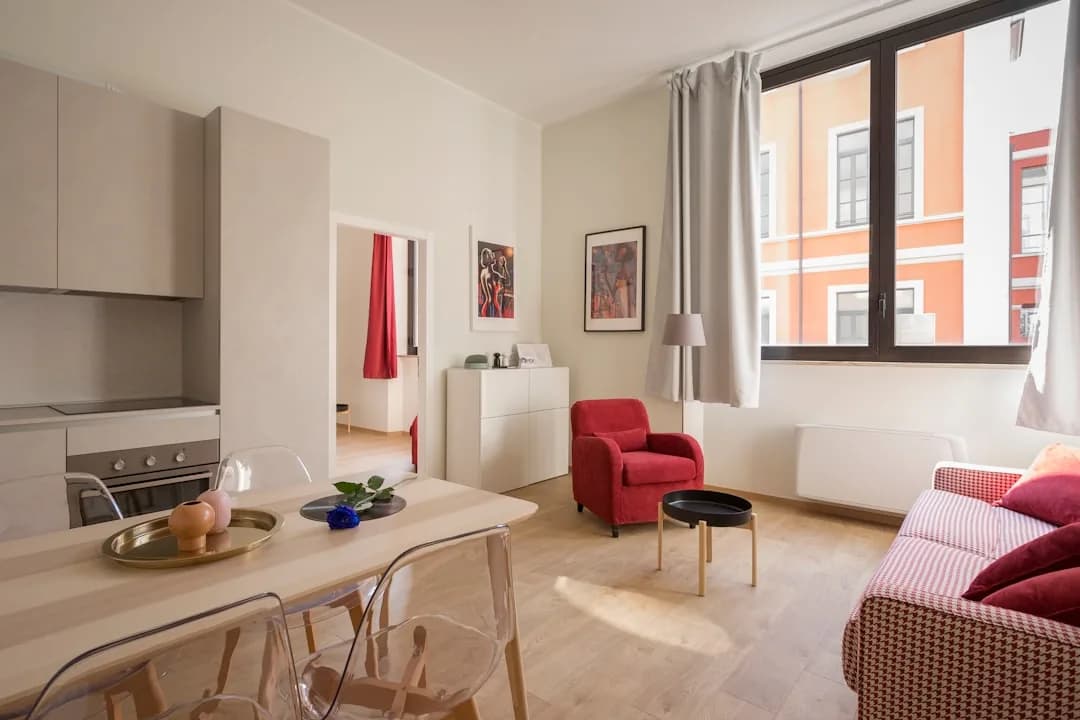
You have got a spare room, and a lodger would help cover the mortgage. The good news is that the first slice of that rent can be completely tax-free.
The Rent a Room Scheme lets you earn up to £7,500 a year from letting furnished accommodation in your own home without paying any income tax on it. For most people taking in a single lodger, that covers the whole lot.
This guide explains who qualifies, how the £7,500 limit works, what to do if you go over it, and the one election that can save you money when you do. It is written for homeowners and tenants letting a room in their main home in the 2026/27 tax year.
If you also let out a separate buy-to-let, the rules are different: see our guide to declaring rental income on Self Assessment, and our accounting for landlords page covers that side.
What is the Rent a Room Scheme?
The Rent a Room Scheme is a tax relief that lets you receive rent from a lodger in your own home without paying income tax on it, up to a set limit each year.
A lodger is someone who lives in your home and pays you for a room. They might also pay for extras such as meals, cleaning or laundry. All of that money counts as your gross receipts under the scheme.
The relief exists to make taking in a lodger simple and worthwhile. You do not have to keep detailed expense records if your income stays under the limit, and you do not have to fill in a tax return just because you have a lodger.
The scheme is set out in HMRC's Rent a Room Scheme guidance and applies across England, Wales, Scotland and Northern Ireland.
How much can you earn tax-free in 2026/27?
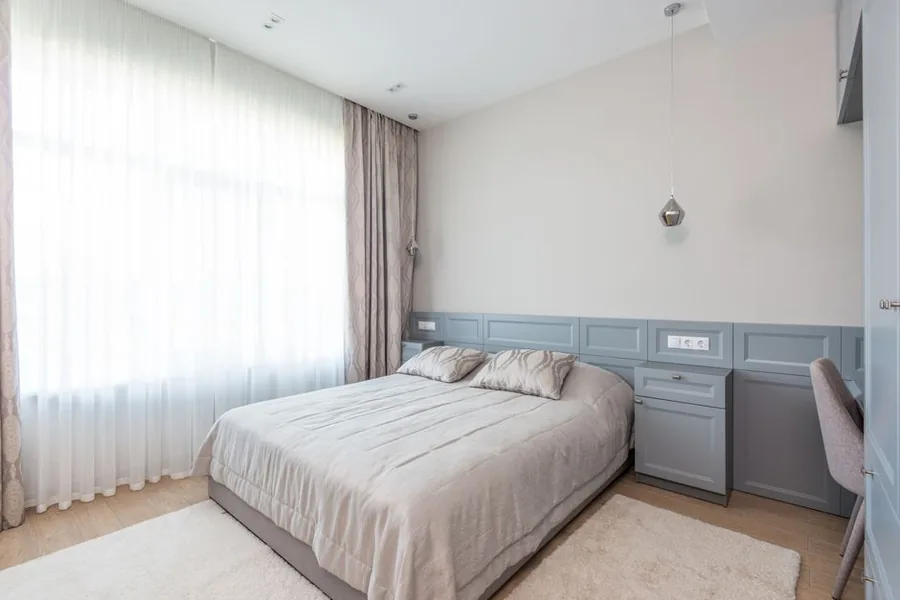
For the 2026/27 tax year, the Rent a Room limit is £7,500. If your gross receipts from the lodger are £7,500 or less, that income is exempt from tax and you do not need to do anything.
That works out at £625 a month. For a single lodger in most of the country, the rent often falls under that figure, so the whole amount is tax-free.
The limit is halved to £3,750 if someone else also receives income from letting accommodation in the same property. A common example is a couple who jointly own their home and split the rent. Each of them gets a £3,750 limit, not £7,500.
| Situation | Tax-free limit (2026/27) | Equivalent per month |
|---|---|---|
| You receive all the rent | £7,500 | £625 |
| Income shared with one other person | £3,750 each | £312.50 each |
The £7,500 figure is a gross figure. It is the total you receive before any expenses, and it includes payments for meals, cleaning, laundry or other services linked to the letting.
Who qualifies for Rent a Room relief?
You can use the scheme if you let furnished accommodation in your only or main home. The key conditions are straightforward.
You must let furnished space in your main home
The room or rooms must be furnished, and the property must be where you actually live. You can be the owner, or you can be a tenant who sublets with your landlord's permission. Both count as a resident landlord.
You can let out as much of your home as you like under the scheme, not just a single room, as long as you are still living there.
What does not qualify
The scheme does not work in a few common situations:
- The property is not your home. A separate buy-to-let or a property you have moved out of does not qualify.
- The space is a self-contained flat with its own entrance and facilities. The scheme cannot be used for a home that has been converted into separate flats.
- The room is let as an office or other business space rather than living accommodation.
- You let your UK home while you are living abroad.
Running a guest house or bed and breakfast in your own home does not rule you out. HMRC's Rent a Room helpsheet (HS223) says you can use the scheme where your letting amounts to a trade, such as a guest house or B&B, or where you provide services such as meals and cleaning, as long as it is in your only or main home. The limit still counts every pound you receive, meals and cleaning included.
If your lodger uses the room as their living space, you are almost always inside the scheme.
What if your income is above £7,500?
If your gross receipts are more than £7,500 (or £3,750 where the limit is shared), the income is no longer automatically tax-free. You will need to complete a Self Assessment tax return and decide how to be taxed.
You then have two options, known as Method A and Method B. You can choose whichever gives the lower tax bill, and you can switch year to year.
Method A vs Method B: which is better?
The two methods are simply different ways of working out the taxable amount once you go over the limit.
Method A is the normal property rules. You pay tax on your actual profit, which is your rent minus your allowable expenses. HMRC applies this automatically unless you elect otherwise.
Method B is the Rent a Room basis. You pay tax on your gross receipts above £7,500, with no deduction for expenses. You have to elect for this in writing.
The deciding factor is your expenses. If your expenses are low, Method B usually wins because subtracting a flat £7,500 beats subtracting small actual costs. If your expenses are high, Method A can be better because you deduct the real figures.
| Feature | Method A (actual profit) | Method B (Rent a Room basis) |
|---|---|---|
| Taxable amount | Rent minus allowable expenses | Gross receipts minus £7,500 |
| Claim expenses? | Yes | No |
| How it applies | Automatic default | You must elect in writing |
| Best when | Expenses are high | Expenses are low |
You must tell HMRC within one year of the 31 January Self Assessment deadline if you want to start or stop using Method B. For 2026/27, the tax year ends on 5 April 2027, so the election deadline is 31 January 2029.
A worked example for 2026/27
Illustrative example. Priya owns and lives in her home in Leeds. She takes in a lodger for the whole of 2026/27 and receives £9,000 in rent over the year. Her allowable expenses (a share of utilities, wear and tear and so on) come to £1,800.
Because Priya's gross receipts of £9,000 are above the £7,500 limit, she has to report the income and pick a method.
Method A (actual profit):
- Rent received: £9,000
- Less allowable expenses: £1,800
- Taxable profit: £7,200
Method B (Rent a Room basis):
- Gross receipts: £9,000
- Less the Rent a Room limit: £7,500
- Taxable amount: £1,500
Method B leaves Priya with £1,500 to be taxed instead of £7,200, because her expenses are modest. She elects for Method B.
Priya is a basic-rate taxpayer, so the £1,500 is taxed at the basic rate of 20% for 2026/27, giving a tax bill of £300. Her personal allowance for 2026/27 is £12,570, and that is already used against her main income, so the lodger income is taxed on top.
If Priya were a higher-rate taxpayer, the same £1,500 would be taxed at 40%, a bill of £600. Either way, Method B saves her tax compared with being taxed on the full £7,200 profit.
The lesson is simple. Once you go over the limit, run both methods and pick the lower one. To sense-check the rate that applies to you, our income tax calculator shows where each band starts.
How do you claim the relief?
How you claim depends on whether you go over the limit.
If your gross receipts are £7,500 or less, you do not need to do anything. The exemption is automatic, and you do not have to tell HMRC or file a return just for the lodger income.
If your gross receipts are more than £7,500, you must register for Self Assessment if you are not already in it, then report the income on your tax return. To use Method B, you make the election on the return or in writing to HMRC within the time limit.
Keep a simple record of what your lodger pays you, including anything for meals or services, so you can show your gross receipts if asked. If your figures are close to the limit or you are weighing up the two methods, it is worth getting a second opinion before you file.
Want a hand getting your lodger income onto your tax return correctly? Our Self Assessment service takes the return off your plate and makes sure you are on the method that costs you the least. Talk to a Zmartly accountant to get started.
Frequently asked questions
Do I need to tell HMRC if I take in a lodger?
Not if your gross receipts are £7,500 or less for the year. The exemption is automatic and you do not need to file a return for the lodger income. You only need to tell HMRC and complete a Self Assessment return if your receipts go over the limit.
Does the £7,500 include money for meals and bills?
Yes. The £7,500 limit is a gross figure. It includes the rent plus any payments your lodger makes for extras such as meals, cleaning or laundry connected to the letting. Add all of it together when checking whether you are over the limit.
Can my partner and I both claim £7,500?
No. If two people receive income from letting in the same property, the limit is halved to £3,750 each rather than £7,500 each. So a couple sharing the rent on their jointly owned home have a combined limit of £7,500, split as £3,750 each.
Can I use the Rent a Room Scheme for an Airbnb room?
You can use it for short-term guests in your own home, such as letting a furnished room through a booking site, as long as the property remains your main home. It still applies if the letting grows into a trade, such as a guest house or B&B in your home. The same £7,500 limit and rules apply. If you are letting a separate property or a self-contained unit, the scheme does not apply.
What happens if my expenses are higher than £7,500?
Then Method A is usually better, because you deduct your actual expenses rather than the flat £7,500. If your costs are low, Method B (deducting the £7,500 limit) normally gives the lower tax bill. Work out both before you choose, as you can switch each year.
Does Rent a Room relief apply to a buy-to-let?
No. The scheme only covers furnished accommodation in your only or main home. Income from a buy-to-let or any property you do not live in is taxed under the normal property rules, where you report the rent and claim allowable expenses.
Book a free Tax Health Check →
Key takeaways
- For 2026/27 you can earn £7,500 tax-free from a lodger in your main home, or £3,750 each if the income is shared.
- The limit is gross and includes payments for meals and services.
- Under £7,500, the relief is automatic and no tax return is needed for it.
- Over the limit, choose Method A (actual profit) or Method B (gross receipts minus £7,500), whichever is lower.
- The property must be your furnished main home, not a self-contained flat or a buy-to-let.