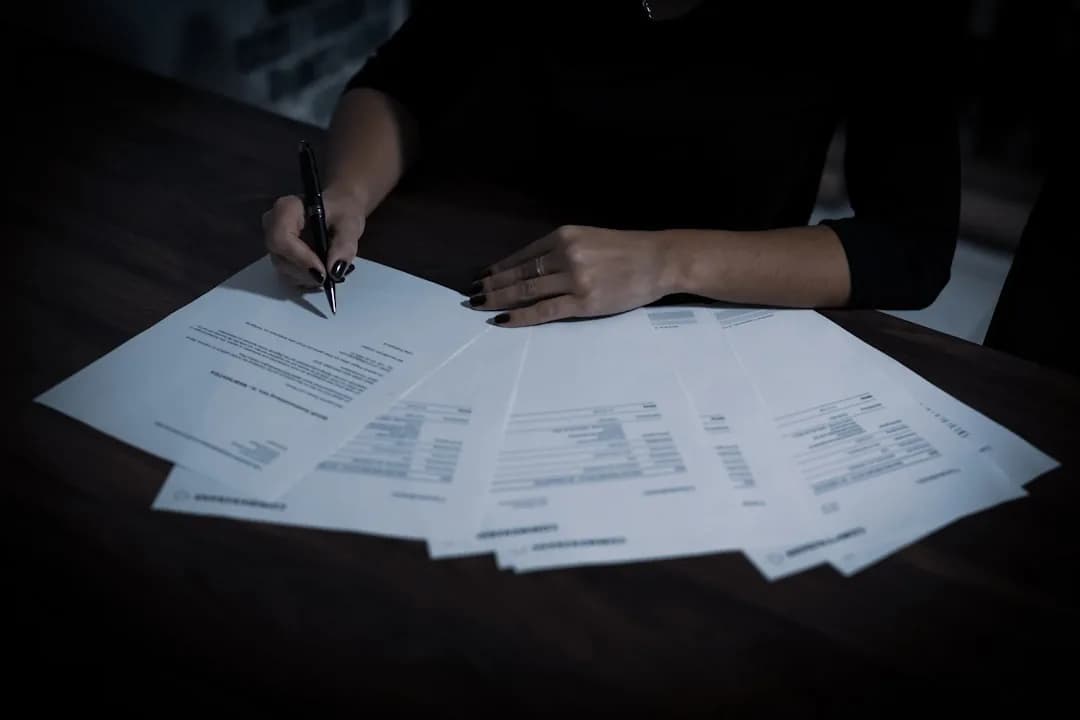
Invoicing as a sole trader is simple: create a document that clearly states it is an invoice, give it a unique sequential number, and include your name (and any trading name), your address, the customer's details, a description of what you sold, the amount due and the date. Send it to your customer with clear payment terms, and if you are not VAT registered, you do not add VAT. That is the whole job. There is no special licence or template required, just a few mandatory details and good record-keeping.
Below is exactly what to put on the invoice, how numbering works, when VAT applies, and how to make sure you actually get paid.
What to Include on a Sole Trader Invoice
UK law sets out a short list of details every non-VAT invoice must carry. Miss them and your invoice may be disputed, delayed or rejected.
| Field | What to put |
|---|---|
| The word "invoice" | State clearly that the document is an invoice |
| Unique invoice number | Sequential, no gaps (e.g. INV-001, INV-002) |
| Your name / trading name | Your full name, plus business name if you use one |
| Your address & contact | Where you can be reached |
| Customer's name & address | The person or business being billed |
| Description of goods/services | Clear enough that anyone can see what was supplied |
| Date supplied (supply date) | When the work was done or goods delivered |
| Date of the invoice | When you issued it |
| Amount(s) being charged | Itemised where possible |
| Total amount owed | The final figure to pay |
You should also add how you want to be paid, your bank account name, sort code and account number, and your payment terms (for example, "payable within 14 days").
For the official list, see HMRC's guidance on invoices and what they must include.
Do You Need a Business Name or Limited Company to Invoice?
No. As a sole trader you can invoice under your own name (e.g. "Jane Smith") or a trading name (e.g. "Jane Smith trading as Smith Joinery"). You do not need to be a limited company, and you do not need to register the trading name anywhere. You simply need to be registered as self-employed with HMRC for Self Assessment once your income passes the £1,000 trading allowance.
If your self-employed income is under £1,000 in a tax year, the trading allowance means you may not need to register or report it at all, though it is still good practice to invoice and keep records.
How to Number Your Sole Trader Invoices
Use a unique, sequential numbering system with no gaps. Sequential numbering matters because:
- It proves to HMRC your records are complete.
- It makes chasing late payers far easier.
- It stops you accidentally duplicating or skipping an invoice.
A simple format like 2026-001, 2026-002 works well. Many sole traders restart numbering each year, which is fine as long as every number within a sequence is accounted for.
Do Sole Traders Charge VAT on Invoices?
Only if you are VAT registered. You must register for VAT once your taxable turnover exceeds £90,000 in any rolling 12-month period (the 2026/27 threshold). Below that, registration is optional.
- Not VAT registered: do not add VAT, and do not show a VAT number. Your invoice simply shows the amount due.
- VAT registered: you must issue a VAT invoice, which needs extra detail, your VAT registration number, the VAT rate applied, the VAT amount, and the price excluding VAT.
If you are weighing up voluntary registration, the admin step up is real, and once registered you'll have a return to file each quarter, our guide to completing a UK VAT return walks through it. Our bookkeeping services can handle VAT invoicing and returns so you stay compliant without the headache. Not sure when registration becomes mandatory? See exactly when you need to register for VAT.
When to Send Your Invoice
Send it as soon as the work is complete or the goods are delivered: the sooner it lands, the sooner you are paid. If you do not agree a payment date in advance, the law gives your customer 30 days from receiving the invoice (or the goods/service) to pay.
You are also entitled to charge statutory interest on late commercial payments, currently 8% above the Bank of England base rate, though many sole traders set their own terms instead.
What Records You Need to Keep
Keep a copy of every invoice you issue, sent, paid and unpaid, for at least five years after the 31 January Self Assessment deadline for the relevant tax year. These records back up the turnover figure on your tax return.
Your invoices feed directly into your Self Assessment. Your taxable profit (income minus allowable expenses) is what counts toward your £12,570 personal allowance and the £50,270 higher-rate threshold, so accurate invoicing is the foundation of an accurate tax bill.
Sole Trader Invoice Checklist
Before you hit send, confirm your invoice has:
- The word "Invoice" at the top
- A unique sequential number
- Your name / trading name, address and contact
- The customer's name and address
- A clear description of what you supplied
- The supply date and the invoice date
- The amount(s) and the total due
- Your payment details and payment terms
Get those eight things right and your invoice is compliant and clear.
Frequently Asked Questions
Do I need to put my home address on a sole trader invoice?
You must provide a contact address, but it does not have to be your home address. Many sole traders use a virtual office, accountant's address or PO box to keep their home address private while still meeting the requirement.
Can I send invoices by email as a sole trader?
Yes. There is no requirement to post a paper invoice. Emailing a PDF is perfectly valid and gives you a timestamped record. Just keep a saved copy for your files.
Do I charge VAT if I'm not VAT registered?
No. If you are not registered for VAT, you must not add VAT to your invoices or show a VAT number. You only charge VAT once you have registered, which is mandatory above £90,000 turnover and optional below it.
What if a customer refuses to pay my invoice?
First send a polite reminder, then a formal demand referencing your payment terms. If it stays unpaid, you can charge statutory interest, use a mediation service, or pursue it through the small claims process. Keeping numbered, dated invoices makes any claim far stronger.
Still unsure whether you have everything covered? Browse our FAQ for more on sole trader admin, or get in touch with Zmartly, we will set up clean, compliant invoicing and bookkeeping so you can focus on the work and get paid faster.