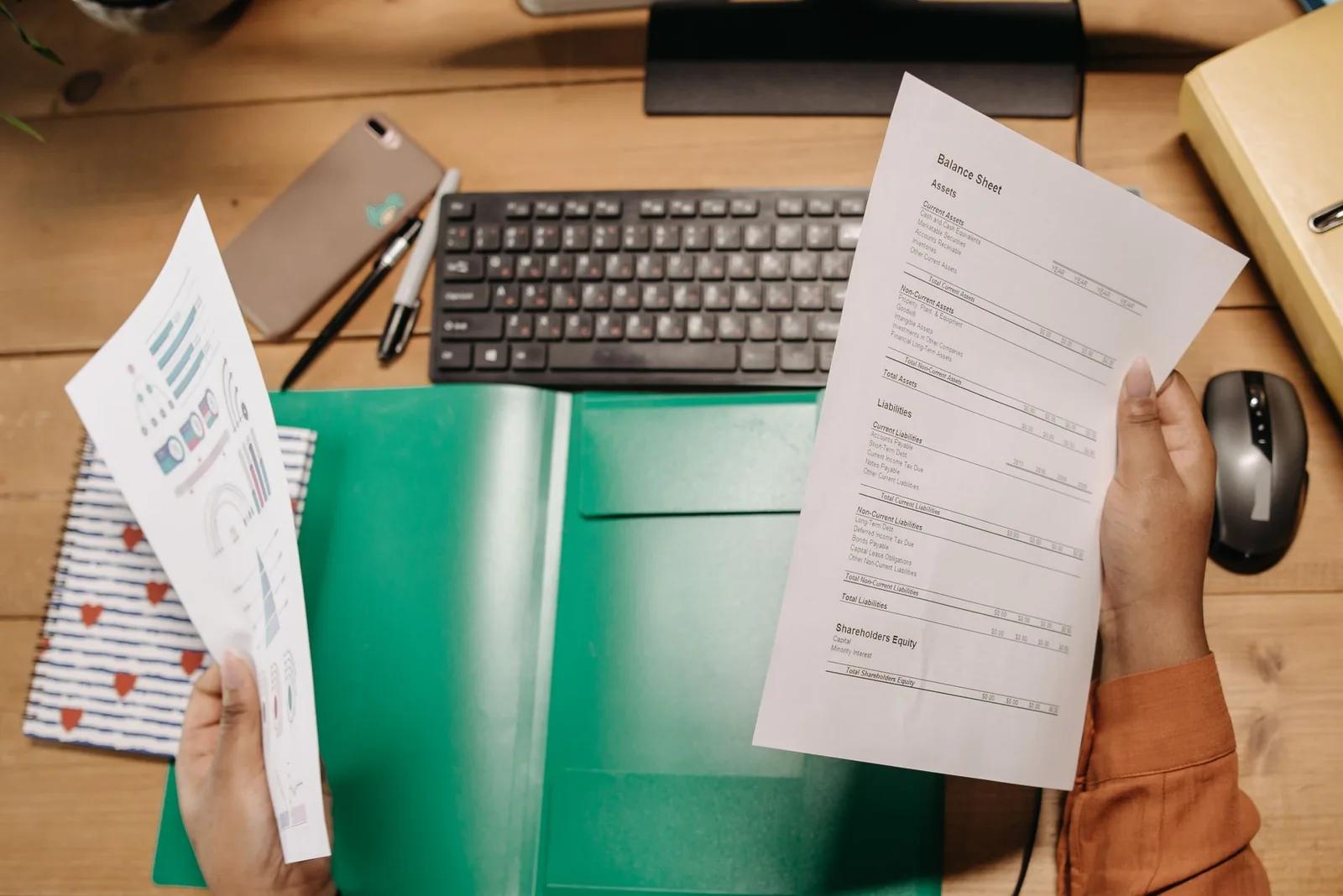
It's now confirmed. From April 2028, small companies and micro-entities will have to file a profit-and-loss account at Companies House. The good news after a long fight: filing is mandatory, but publication is not, you'll be able to opt out of having your turnover and profit shown on the public register. The same reform also removes abridged and "filleted" accounts and moves everyone to software-only filing.
For a couple of years this change sat in limbo. It was planned for April 2027, then paused and put under review with no date. In June 2026 the government confirmed the final shape of the package and a firm start date of April 2028. This post explains exactly what is changing, the new privacy opt-out that makes it far less painful than first feared, what is going away, and what you should do now.
What is changing from April 2028
The reforms come from the Economic Crime and Corporate Transparency Act 2023 (ECCTA), the law designed to clean up the company register and make it harder to misuse UK companies for fraud. For small companies and micro-entities, three things change together from April 2028:
- You must file a profit-and-loss account. Small companies and micro-entities will have to submit a P&L showing turnover and profit, figures most small businesses currently keep off the public register.
- Abridged and "filleted" accounts end. The heavily reduced filings many small companies use today (often just a balance sheet and notes) are being removed.
- Filing moves to software only. Companies House is closing its web and paper accounts-filing routes; accounts must be submitted through commercial software and digitally tagged.
The package was first lined up for April 2027 and has been pushed back to April 2028 to give businesses one full accounting year plus nine months, about 21 months, to get ready.
| Small company accounts | Today | From April 2028 |
|---|---|---|
| Profit-and-loss account | Not filed (kept off register) | Mandatory to file |
| Turnover and profit on public register | Not shown | Hidden if you use the publication opt-out |
| Abridged / filleted accounts | Allowed | Removed |
| Filing method | WebFiling, paper or software | Software only, iXBRL-tagged |
| Corporation tax payable | Unchanged | Unchanged |
The privacy opt-out: file it, but you can keep it off the public register
This is the detail that changes everything for owner-managed companies, and it was confirmed in June 2026 after sustained pushback from small businesses. Filing the profit-and-loss account is mandatory, but publishing it is not. Small companies and micro-entities will be able to opt out of having the P&L shown on the public register.
In practice that means: Companies House receives and holds your profit-and-loss account and can share it with HMRC and law enforcement, but anyone searching your company on the public register will see your balance sheet, as now, without your turnover and profit. The privacy that directors worried about losing is largely preserved, as long as you actively use the opt-out.
Why directors were worried, and where that lands now
The concern was never irrational. For an owner-managed company, publishing turnover and profit on a free public register feels intrusive: competitors, suppliers and customers can all read it. Removing filleted accounts looked like it would strip away that privacy entirely.
The opt-out is the compromise. You will have to prepare and file more than before, but you can choose not to publish the sensitive figures. If you want a refresher on what you must file and when, see our guide to limited company filing deadlines.
The end of abridged and filleted accounts
Today many small companies file abridged or "filleted" accounts, a cut-down set that keeps detail off the register. From April 2028 that option goes. Every small company and micro-entity will file a fuller set, including the P&L, with the publication opt-out as the privacy lever instead of filleting. If your accounts preparation is currently light-touch, this is the part that will take the most adjustment, so it is worth tightening your small business bookkeeping basics well ahead of time.
Software-only filing and digital tagging (iXBRL)
The free Companies House WebFiling route and paper filing for accounts are being retired. From April 2028 accounts must be filed through commercial accounting or filing software, and they must be digitally tagged in iXBRL (Inline eXtensible Business Reporting Language) so the figures are machine-readable. Most accountants and bookkeeping packages already produce iXBRL accounts, so for many companies this is a behind-the-scenes change, but if you currently file your own accounts by hand on WebFiling, you will need software (or an accountant) in place before the deadline.
A worked example: what a typical small company does
Take a single-director consultancy with turnover of £180,000 and taxable profit of £40,000 for the year. On £40,000 of profit it pays corporation tax at the 19% small-profits rate (profits at or below £50,000), so roughly £7,600.
Today: the company files filleted small-company accounts, typically a balance sheet and notes. Its £180,000 turnover and £40,000 profit are not on the public register.
From April 2028: the company must file a profit-and-loss account showing that £180,000 and £40,000, using compatible software with iXBRL tagging. It then opts out of publication, so the figures sit with Companies House (and are available to HMRC) but are not visible to competitors searching the register. The balance sheet remains public, as now. If you are not certain what a reader can work out from that one page, see what a balance sheet actually tells you.
Crucially, the corporation tax bill is identical either way, the reform only ever changed what you file and what's published, never the tax you pay. For a fuller breakdown, see what taxes a limited company pays.
Identity verification is separate, and already happening
Don't let the 2028 accounts date lull you into ignoring the part of ECCTA that affects you now: identity verification. Directors, people with significant control (PSCs) and those who file on a company's behalf must verify their identity with Companies House or through an authorised agent. This is on its own timetable, separate from the accounts changes, and is already rolling out. If it applies to you, read our guide to Companies House identity verification in 2026.
What small company owners should do now
- Sort identity verification first. It's the live obligation. Verify yourself and any other directors/PSCs in good time.
- Make sure you'll be filing through software. If you still use WebFiling by hand, plan your move to commercial software, or an accountant, before April 2028.
- Decide on the publication opt-out. When the time comes, make sure whoever files your accounts actively applies the opt-out so your turnover and profit stay off the public register.
- Tighten your records now. A fuller P&L means cleaner bookkeeping. You already prepare full accounts for HMRC, so the gap is mostly about presentation and tagging, close it early.
Does this change your corporation tax or HMRC filing?
No. This is purely about what you file with Companies House and what becomes public. Your obligations to HMRC are unchanged: you still prepare full statutory accounts and file a Company Tax Return (CT600) with HMRC by the usual deadlines. The reform never touched corporation tax rates or HMRC filing, it has always been about the public register.
The bottom line
Small companies and micro-entities will file a profit-and-loss account from April 2028, abridged and filleted accounts are ending, and filing moves to software-only with iXBRL tagging. But the hard-won concession, a publication opt-out, means you can keep your turnover and profit off the public register. You have around 21 months' notice, so the smart move is to get your software, records and identity verification in order now and decide your opt-out position before the first affected accounts fall due.
Sources
- Companies House to bring in changes to accounts filing from April 2028, GOV.UK
- Companies House, GOV.UK
- Prepare and file annual accounts for a limited company, GOV.UK
- Running a limited company: company and accounting records, GOV.UK
- Corporation Tax rates and allowances, GOV.UK
Frequently asked questions
Do small companies have to file a profit-and-loss account at Companies House?
Yes, from April 2028. Small companies and micro-entities will have to file a profit-and-loss account at Companies House. However, you will be able to opt out of having it published on the public register, so your turnover and profit need not be visible to the public even though Companies House holds the figures.
Can I keep my turnover and profit private after April 2028?
Largely, yes. Filing the profit-and-loss account is mandatory, but publication is not. Small companies and micro-entities can opt out of having the P&L shown on the public register. Your balance sheet stays public as now, and Companies House can still share the full figures with HMRC and law enforcement.
Will I still be able to use Companies House WebFiling and abridged accounts?
No. From April 2028 abridged and filleted accounts are removed and accounts must be filed through commercial software, digitally tagged in iXBRL. The existing web and paper accounts-filing routes are closing, so you will need compatible software or an accountant to file.
If the accounts changes are not until 2028, do I still need to do identity verification?
Yes. Identity verification is a separate part of the Economic Crime and Corporate Transparency Act 2023 and is already rolling out. Directors, people with significant control and those filing on a company's behalf must verify their identity now, regardless of the 2028 accounts-filing changes.